Posts

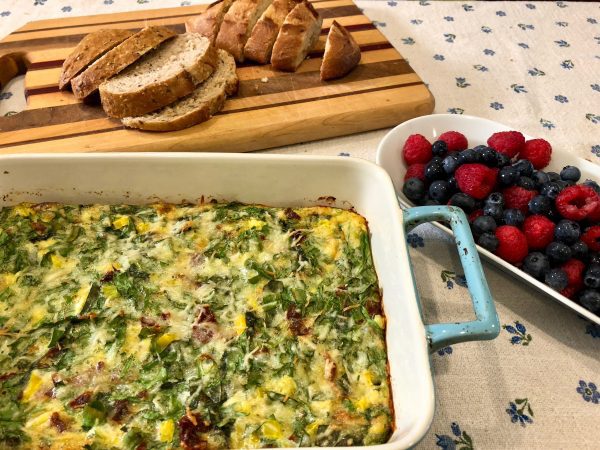
4 Nutrient-Dense Breakfast Casseroles

Bye-bye SAD, Hello Nutrient Dense!

Cereal and juice, toast and coffee – Standard American Diet (SAD) breakfast staples – quickly convert to glucose (blood sugar). High blood sugar, especially first thing in the morning, sets you up for a blood sugar roller coaster that can continue throughout the day and night.

It affects your energy, hormones, focus and mood. This blood sugar roller coaster also wreak havoc on your body (cells, tissues, organs) as it tries to balance the blood sugar and insulin racing around. (Insulin is the hormone your body uses to store excess glucose.) Chronically high blood sugar and insulin cause inflammation. Chronic inflammation leads to metabolic diseases like diabetes, cancer, cardiovascular and even Alzheimer’s.

Breakfast casseroles easily provide a nutrient density: macronutrients, micronutrients (vitamins, minerals, phytochemicals) and fiber to balance your blood sugar for stable, steady energy. This will also improve your focus, your mood and boost your immune system and brain function.

  • Protein provides building blocks for your tissues, antibodies that strengthen your immune system, insulin and glucagon that regulate your blood sugar and energy levels, and for neurotransmitters that affect your memory, focus and more
  • Fats are essential for numerous functions and structures such as your hormones and provides slow burning energy. They also help you absorb soluble vitamins (A, D, E & K), slow down digestion and regulate hunger
  • Carbs: Carbs are a quick source of fuel for your muscles and brain, provide fiber for healthy gut bacteria, slows down your digestion and helps regular elimination of waste. Combined with fat and protein, carbs help your body fight infections, grow new body tissue (bones and skin) and lubricate our joints

Nutrient dense refers to the concentration of nutrients (vitamins, minerals, phytochemicals, essential fatty acids, and essential amino acids per calorie of food. The Standard American Diet is energy-rich, but it’s also nutrient-poor: the types of food that many people eat each day are high in added sugars, refined grains, and industrially processed oils, but lack the vitamins and minerals (and other health-promoting compounds) found in whole foods. The result is a high prevalence of nutrient deficiency.” – Nutrivore: The Radical New Science for Getting the Nutrients You Need from the Food You Eat, Sarah Ballantyne

These casseroles are based on eggs, which are a powerhouse of nutrients:

  • 5 – 7 grams of protein per egg
  • brain healthy B vitamins
  • essential minerals calcium, iron, potassium, zinc, manganese
  • important lesser-known nutrients like choline an essential nutrient that improves cognitive function and disease fighting nutrients like lutein and zeaxanthin. These anti-inflammatory carotenoids may reduce the risk of age-related macular degeneration, decrease cancer risks, and improve cardiovascular health

Omnivore or Vegetarian

So versatile! You can modify any of these recipes to be omnivore or vegetarian. Change them up with additional/different veggies, herbs and spices for more flavor and nutrient density

✅ Leafy greens and cruciferous family of vegetables are some of nature’s most nutrient dense foods

✅  Rainbow vegetables provide a wide diversity of essential micronutrients. Each color (green, red, orange, white) represents a whole family of immune boosting and healing compounds

✅  Flavor compounds in herbs and spices are powerful antioxidants and many also have antibacterial, antimicrobial, and anti-inflammatory properties

Make a double recipe Saturday or Sunday to have leftovers for breakfast or lunch during the week.

Traditional strata – Color My Food

Strata is a brunch dish made from a mixture of bread and egg giving it a custard-like texture.  The name strata (layers) comes from layering the bread with filling. There are innumerable variations using different vegetables, meat (sausage, ham) and/or cheese. Prep the day before and chill overnight. Bake in the morning.

Protein (eggs & sausage)+ 3 plant foods (onion, poblano pepper, cilantro)

Vegetarian Breakfast Casserole –  Well Plated

Protein (eggs & cottage cheese) + 6+ plant foods (bell peppers, broccoli, garlic, onion, mushrooms, herbs).

You can also add turkey sausage, leftover chicken, or ground meat to make an omnivore option.

Hash Brown Casserole Two Healthy Kitchens

Frozen hash browns are a helpful staple. Just remember to defrost them first. Mix hash browns into the mixture OR use them as a crust like a quiche (my preference) and pour your egg mixture over it.

Protein (eggs & turkey sausage) + 5+plant foods (bell peppers, ,garlic, onions, potatoes, tomatoes, herbs)

Mexican Breakfast CasseroleChew Out Loud

This is one of my favorites – with a couple of modifications: I skip the enchilada sauce and use half the cheese.

Topped with salsa and guac it’s super nutrient dense and deeelicious!

Protein (chorizo + eggs) + 6 plant foods (black beans, cilantro, corn, tomatoes

What is your favorite breakfast casserole?

References

  1. Haas, Elson M, (2006).  Staying Healthy with Nutrition, New York, NY: Random House Inc.
  2. Ballantyne, Sarah, (2017). Paleo Principles: The Science Behind the Paleo Template, Canada, Victory Belt Publishing Inc.
  3. Sharma, Praveen. “Inflammation and the Metabolic Syndrome. “Indian Journal of Clinical Biochemistry : IJCB, Springer-Verlag, Oct. 2011, www.ncbi.nlm.nih.gov/pmc/articles/PMC3210244/.
  4. Shoelson, Steven E, et al. “Inflammation and Insulin Resistance. “The Journal of Clinical Investigation, American Society for Clinical Investigation, July 2006, www.ncbi.nlm.nih.gov/pmc/articles/PMC1483173/

Nourishing Breakfast Classes for You

Do you struggle to get moving in the morning? Are you stuck in a rut with breakfast? Eating nutrient dense foods can help you and your family feel better physically, mentally and emotionally. This online breakfast class series is designed to help you create sustainable habits to help lower your risks of disease, and improve energy, focus, mood.

Thursdays at 11 am CST

Register today 😊

Class 1: Awesome Oats and Ancient Grains
Cereal is a Standard American Diet staple. Oat-based breakfasts make an easier transition to more nutrient-dense meals for balanced energy, improved focus and strengthened immune system.

You will learn how to

  • leverage key nutrition concept to obtain nutrient density (more nutrients per calorie)
  • improvise using the ingredients in your kitchen based on your personal preferences and family favorites
  • alternate or replace with other ancient grains such as quinoa and buckwheat

You will get 4 core recipes that you can spin off into different variations

  • Nutritious cake-inspired oatmeal
  • Savory oats
  • Baked oats
  • Overnight oats

Class 2: Egg-Powered Breakfasts
Eggs are a powerhouse of nutrients: 5 grams of protein per egg are loaded with vitamins, minerals, and phytochemicals. Combining eggs with plant foods increases not only nourishment for your body and stable energy, but also satiety – keeping you fuller longer. Bye-bye snacking!

You will learn

  • Tips and tricks to bring leafy greens, vegetables, herbs, and spices into your eggs in delicious, nutritious combinations
  • How to jumpstart nutritious breakfast with dinner leftovers

You will get 4 core recipes

As well as tips to make different variations. Recipes can be either omnivore or vegetarian. Make them on the weekend and have breakfast ready to go on busy mornings

  • Breakfast Casserole, including overnight options
  • Frittatas and Omelets
  • Quiche (no crust, nutritious crust options (hash brown, sweet potato, quinoa, or cauliflower crust)
  • Quinoa Muffins

Class 3: Nutrient-Dense Pancakes and Muffins
Pancakes, waffles, and muffins are breakfast staples in most U.S. households.

You will learn

  • how to load them with veggies, protein, and fiber instead of highly refined flour and sugar
  • increase nutrient-density with nuts/seeds and spices
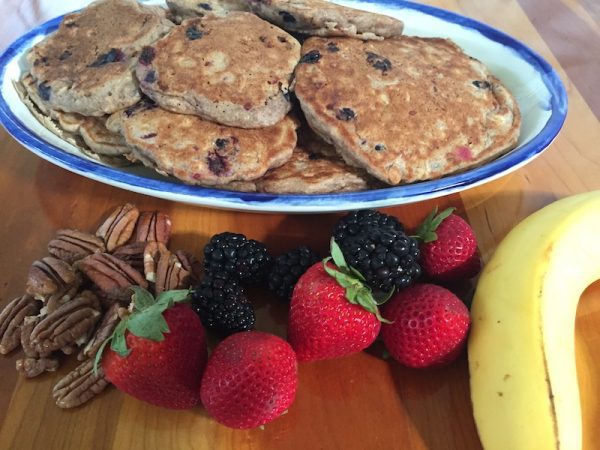
  • top them with brain-healthy berry purees, chia “jam” and other nutritious options

You will get 5 core recipes to spin into different variations

  • Whole-wheat pancakes
  • Oat-based pancakes
  • Gluten-free pancakes
  • Fruit muffins
  • Savory muffins

Class 4: Sweet Potato Round Up
Part of the good mood orange food family, sweet potatoes are loaded with an abundance of disease-fighting nutrients essential for health. They are rich in:

  • Vitamins A, C and E (one sweet potato has 5x the recommended daily allowance of vitamin A)
  • Minerals such as magnesium and potassium. Potassium helps maintain fluid and electrolyte balance in your body’s cells, normal heart function and blood pressure
  • Carotenoids. These powerful phytochemicals protect against oxidative stress and facilitate communication between your cells. Beta carotene is good for your brain. It is also boosts your immune system

You will learn

  • how to load them with veggies, protein, and fiber instead of highly refined flour and sugar
  • increase nutrient-density with nuts/seeds and spices
  • top them with brain-healthy berry purees, chia “jam” and other nutritious options

You will get 4 core recipes to make different variations

  • Sweet potato breakfast bowl
  • Sweet potato breakfast hash
  • Sweet potato waffles, “traditional” or savory
  • Breakfast stuffed sweet potatoes

Breakfast Series Bonus!
When you complete the series, you will get a Breakfast Meal Planner Template to help you build a sustainable, nourishing breakfast routine.

What is your favorite breakfast?

5 Good Mood Red Cabbage Recipes

In a farewell to February and a tribute to red/purple foods, here is a round up of delicious, nutritious red cabbage recipes. Cabbage is one of the most nutrient-dense foods. Purple cabbage has additional powerful phytochemicals (natural chemical compounds in plants) called anthocyanins that are good for your brain.

[su_expanding_quote_book alignment=”full” source_author=”Drew Ramsey, MD” source_title=”Eat to Beat Depression and Anxiety” full_quote=”I want to give a special shout-out to anthocyanins, the compounds you can find in reddish-purplish foods ranging from blackberries to red cabbage. I don’t like to play favorites, but these molecules are something special. These flavonoids have long been known to exhibit extraordinary anti-inflammatory properties. They have also been linked to improved memory and mood states.” short_quote=”These flavonoids exhibit extraordinary anti-inflammatory properties. They have also been linked to improved memory and mood states”]

Tip:

Shred a whole cabbage in a food processor to use throughout the week. In addition to using in these meals you can

  • Add a handful into leafy green salads
  • Replace rice with the shredded cabbage and use base for curry, bean dishes
  • Add a handful on top of chili or bean soups

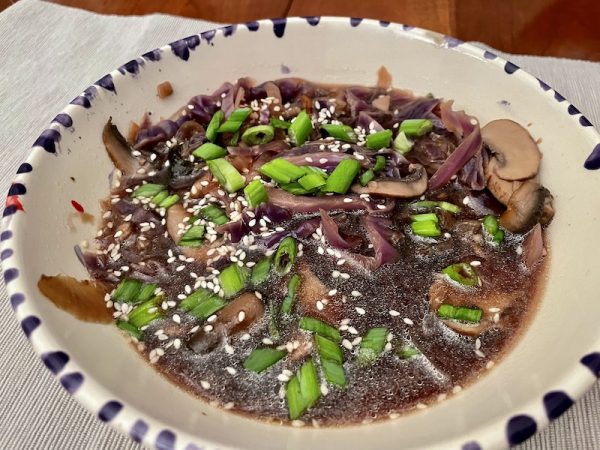
Nutrient-Dense Cabbage Mushroom Ramen Soup – Color My Food

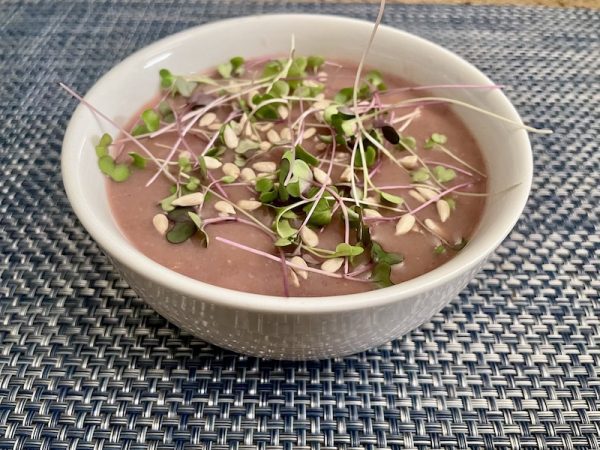
Creamy Red Cabbage Soup – Easy Healthy Recipes
Topping options

  • Micro greens or chopped parsley
  • Toasted pumpkin seeds or sunflower seeds

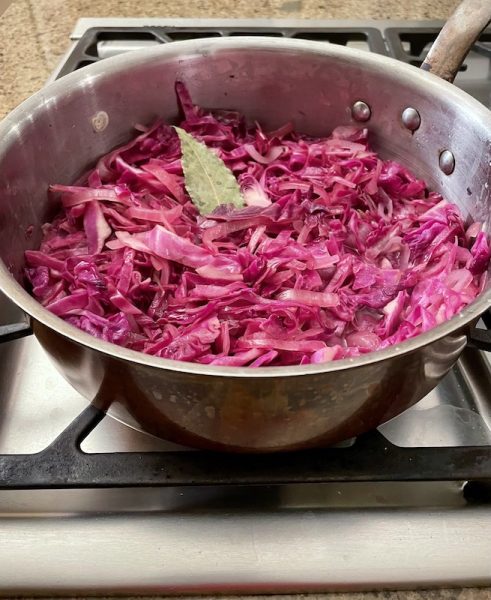
Braised Red Cabbage – Maria Ushakova
I made this with Roasted Pork Tenderloin, a classic pairing with cabbage in Germany and Austria. The leftover braised cabbage I mixed, about 1/4 cup or so, into leafy green salads.

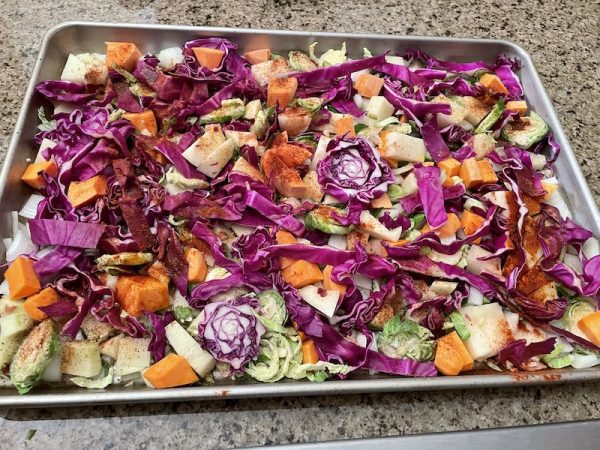
Roasted Red Cabbage and Brussels Sprouts – Color My Food

This is so pretty. And super nutrient dense!

Variations

  • Use broccoli instead of Brussels sprouts
  • With or without potatoes
  • Use sweet potatoes instead of potatoes
  • Experiment! What other veggies could you add?

Pesto Roasted Cauliflower and Purple Cabbage – Sanity of Lack Thereof

I never thought I’d ever say I am crazy for cauliflower. Yet here I am. Especially for roasted cauliflower. Yum! When I learned how powerful cauliflower is for our immune system, I set out to find ways to make it taste good. Suddenly I have found so many possibilities!  This is an especially nutrient-dense recipe because it has both cauliflower and red cabbage.
Pesto is a favorite in our house. I always make a double batch to use later in the week:

  • on roasted fish or broiled chicken breasts
  • spread on toast and broiled with tomato for breakfast with goat cheese on top
  • a generous dollop mixed into salad
  • on a tortilla wrap with greens, olives and goat cheese

6 Nutritious, Delicious Beet Recipes

Eat more good mood red food beets!  Did you know beets are a rich source of vitamins and minerals?

Vitamins : Vitamin A, B6, B12, Vitamin C, Vitamin D, Vitamin E, Vitamin K, folate, riboflavin, and betaine.

Minerals: Calcium, iron, potassium phosphorus, sodium, fluoride, Zinc, copper, manganese, and selenium.

Beets also contain phytochemicals (natural chemical compounds in plants) called anthocyanins that are great for your brain. These powerful antioxidants help reduce inflammation.  Research shows they help prevent age-related decline in the nervous system.

[su_expanding_quote_web alignment=”right” source_site=”Drew Ramsey MD” source_url=”https://drewramseymd.com/nutrients/anthocyanins/” full_quote=”Anthocyanins cause levels of the brain protecting chemical BDNF to increase, improving learning and memory skills while helping warding off depression. They also help promote different types of memory, whether it’s remembering a phone number long enough to jot it down or learning how to navigate a new city. Anthocyanins have even been shown to slow down age-related decline in brain function. These phytochemicals are linked to better heart health and posses anti-cancer activity.” short_quote=”anthocyanins improve learning and memory skills while helping ward off depression”]

In addition to helping boost brain function, here are 10 Reasons to eat beets:

  1. Improve liver function
  2. Prevent signs of aging
  3. Increase hemoglobin levels – increases oxygen levels and improve blood circulation in the body
  4. Reduce inflammation
  5. Improve stamina
  6. Lower blood pressure
  7. Brighten skin tone
  8. Help control diabetes
  9. Purify the blood
  10. Promote healthy hair

Roast them, steam them, bake them or shred them raw. You’ll be surprised at all the delicious nutritions ways to eat them. Here are some our favorites:

Beet Hummus – The Natural Nurturer

How about some good mood red food hummus? Hummus is a frequent inhabitant in my refrigerator for lunch wraps and salads, or afternoon snacks. This is a fabulous way to change it up.

Beet Apple Carrot Ginger Soup – Just Beet It

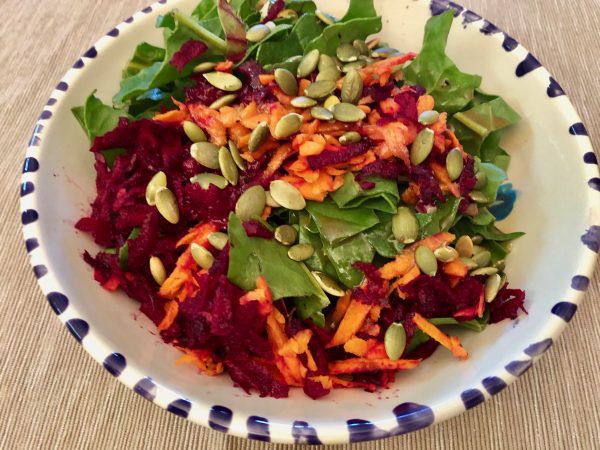
Carrot Beet Salad – Color My Food

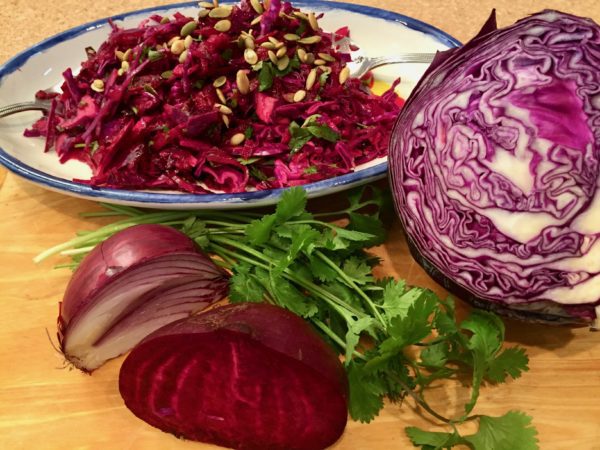
Crimson Coleslaw – Color My Food

It’s worth making this for the colors! And oftentimes even people who don’t like beets change their minds after trying this beautiful coleslaw.

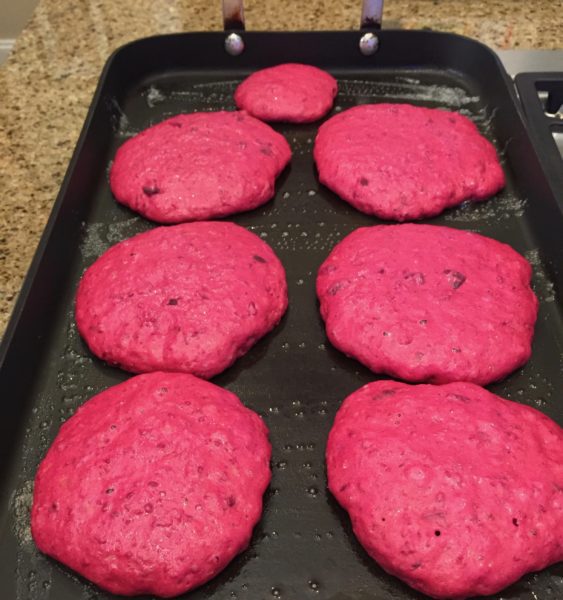
Red Beet Pancakes  – Weelicious

These are not only a standing Valentine’s tradition in my kitchen, but show up with some frequency when beets are in season. I make a double batch and freeze them.

  • Top with whole-milk Greek yogurt mixed with a bit of honey
  • Make “sammies” with cream cheese
  • For a special treat, top with with melted dark chocolate mixed with a bit of butter of coconut milk

Red Beet Cupcakes  Weelicious

Made these for a Valentine’s play date when my daughter was a toddler. Almost a decade later, these cupcakes are still one of our favorites!   So yummy and pretty.

Did you know you can eat the beet greens to? Another rich source of nutrients! AND fiber! I slice them coleslaw-style into a salad, or I add to soups and stews they way I do with spinach, kale or other dark leafy green.

What’s your favorite way to eat beets?

For More Empowerment

Just Beet It   – Creative beet recipes, fascinating beet history, interesting beet facts and trivia, and detailed beet nutrition.

Updated from post published February 2021

Nutrient-Dense Cabbage Mushroom Ramen Soup

This delicious immune-boosting, brain-healthy, cancer-fighting soup combines some of nature’s most nutrient-dense foods.

Cabbage

Cabbage, part of the nutrient-dense cruciferous family, is rich in vitamin K which can help boost memory. Red cabbage has additional antioxidant phytochemicals that protect neurons from damage caused by oxidative stress. These flavonoids can also help improve mood and memory.

Ginger

Ginger has proven anti-inflammatory and antioxidant effects. It is digestive aid that helps breakdown of protein, and it soothes the gastrointestinal tract.  It can also help cognitive functioning, focus and memory.

Mushrooms

Nutrient-dense mushrooms are rich in essential brain nutrient B vitamins and minerals like zinc and manganese. There are several immune-boosting ingredients empower your body to react quickly and powerfully when we are exposed to disease-causing pathogens such as viruses and bacteria.

Onions and Garlic

Throughout history people recognized onions and garlic offered immune protection and could help them get well faster when they got sick. Onions and garlic are rich in:

  • anti-inflammatory and antioxidant compounds
  • antioxidant flavonoids shown to boost memory and protect neurons from injury
  • brain essential B vitamins

Seaweed

Seaweeds are one of the best foods to obtain essential minerals. The high mineral content supports nervous system function. They also contain high amounts of vitamins, as well as protein.

Sesame seeds

Rich in calcium and abundant in other minerals, particularly zinc and iron, sesame seeds also provide vitamin E.

5 Self-Care Tips for the New Year

Do you feel bloated, exhausted and sluggish with the abundance of holiday foods, special events and sugar everywhere?

Here are five tips to reduce bloat and stress.

Focus on one each week to build sustainable habits. This can help you improve your physical wellbeing and brain health.

Hydrate

Drink 8 – 10 glasses of clean, filtered water a day to help your body flush out. Water is the primary component of all your body fluids. It is involved in almost every bodily function: circulation, digestion, absorption, and elimination of wastes. It carries electrolytes – mineral salts that help convey electrical currents in your body. Water is an important detoxifier. It helps clean your body through your skin and kidneys.

Eat a Nutrient-Dense Salad Every Day

Leafy greens are high in nutrients and low in calories. They are loaded with vitamins, minerals, fiber, phytochemicals, and good carbohydrates. Anti-inflammatory and antioxidant green and cruciferous vegetables help your body’s natural detoxification process and help protect you from disease. In addition, they:

  • Reduce inflammation
  • Improve your immune system’s resistance to viral and bacterial infection
  • Enhance your defenses against destructive toxins
  • Help to renew/regenerate your cells
  • Support healthy gut bacteria
  • Remove carcinogenic compounds from your body

To make a nutrient-dense salad, add:

  • Rainbow vegetables
  • Beans
  • Nuts or seeds (chia, pumpkin, sunflower)
  • Healthy fats: canned salmon or sardines, avocado, hummus

Make your own salad dressing tossing extra-virgin olive oil, lemon juice or apple cider vinegar, salt and pepper.

Breathe

Stress activates your sympathetic nervous system. In response, stress hormones cortisol and adrenaline surge in your body. Mindful, deep breathing triggers a parasympathetic nerve response. It is a way of quickly flipping the switch from high to low alert in seconds and calms your body on many levels.

The parasympathetic response changes your physical and emotional responses to stress and is characterized by

  • Slower breathing
  • Slower heartbeat
  • Muscle relaxation
  • Decrease in blood pressure
  • Reduced inflammation

Mindful breathing also benefits your lymphatic system – a key part of your immune system. The deeper you breathe, the more active your lymph system is.  Deep breathing and physical movement pushes lymphatic fluid around your body.
This way it delivers nutrients and collects cellular waste. And also helps to destroy pathogens and other harmful organisms.

Here is a basic deep breathing exercise.

  • Sit comfortably in a chair or on the floor
  • Relax your body. Release the tension in your neck and shoulders
  • Inhale through your nose for a long as you can
  • Feel your diaphragm and abdomen rise
  • When you think you’ve filled up your lungs, sip in a little more air
  • Slowly exhale to the count of twenty
  • Push all the air out of your lungs
  • Repeat 5 times

Move Your Body

Let go of the binary idea that you are either exercising, or not exercising. We are literally born to move. Human life has become so structured that it is easy to avoid movement.
Add movement each day to offset stress and bring balance back to your nervous system.
Use everyday actions — as both a mindfulness and a movement practice. For example, when you sweep the floor, sweep with your whole body. When you reach for something on the top shelf, use it as an opportunity stretch from your feet on the floor through the reach of your fingertips.
Take a walk. When you walk, swing your arms and smile. You can boost your mood just by walking in nature, even in urban nature.
Breathe fully and deeply throughout the day. Let breath be its own kind of
movement.

Honor Sleep Time

Sleep is essential for physical and mental health. Sleep is not a state of inactivity. It impacts every system in your body. Sleep deprivation can have serious consequences, including inflammation and depression.

Healthy, consistent sleep habits are essential to hormonal balance: affecting hunger, digestion, stress, cellular recover. Prioritize a pre-midnight bedtime. The hours of sleep before midnight are the most rejuvenating of the night. Ideally head for bed by 10 pm, to capture the slow-wave sleep that occurs the early part of the night.
Creating a bedtime ritual is a powerful self-care practice and an investment in your physical and mental health. Unplug to recharge. Disconnect from digital devices at least 30 minutes before sleep.
Take a warm bath with Epsom salts for the calming effects of magnesium.
Do some deep breathing exercises when you lay down in bed.

A RESTART- Friendly Thanksgiving Dinner

Celebrating nature’s bounty and the season of giving thanks with a whole-foods, nutrient-dense RESTART friendly meal. Fourteen plant foods and a delicious bacon-wrapped turkey breast support your long-term strategy to make smart nutritional choices. Choosing to eat consciously, and enjoying it thoroughly.

10 Ways to Improve your Digestion and Brain Health with Leafy Greens

Leafy greens give you the most nutrients per calorie. Rich sources of fiber, vitamins C and A , B3, magnesium, potassium, calcium, iron and vital phytochemicals  (natural plant compounds with antioxidant, anti-inflammatory properties), these plant foods boost your mood, brain health and immune system. Make greens part of your meals. Choose the ones you most enjoy. Discover new leafy greens and cruciferous vegetables (broccoli, cauliflower, Brussels sprouts). Find the ways that work best for you.

Green plants are rich in chlorophyll, the green color of plants that helps to clean and build blood. It inhibits bacterial growth, yeasts and fungi in the digestive tract, purifying the body of toxins. It is anti-inflammatory and helps to renew cells and support healthy gut bacteria. It is an energizing food important to people with fatigue-related conditions, depression and IBS (inflammatory bowel syndrome. — Leslie Korn, Nutrition Essentials for Mental Health

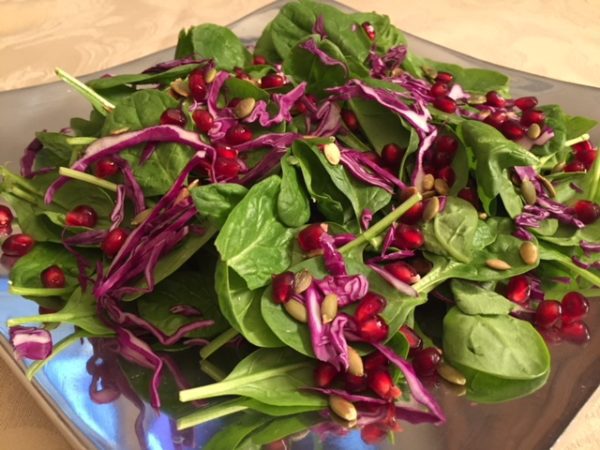
Salads: Add rainbow vegetables and use leafy varieties to keep salads tempting – arugula, spinach, bok choy, kale and different lettuces

Coleslaws– Use different cabbages, add colored veggies, herbs, nuts and seeds

Cruciferous Salads – Go beyond cabbage, use any cruciferous, add any thinly sliced, or grated vegetable – carrot and beets to from fennel and jicama and more. Skip the mayo and use a tangy vinegar-based dressing

Breakfast Smoothies – always add protein, and health fat (nut butter, flaxseed, chia seed, kefir or milk of choice)

Egg Casseroles, breakfast tacos and omelets

Roasted vegetables – Use cruciferous vegetables with sweet potato and other root vegetables.

  • Add chopped herbs before roasting – rosemary, sage, thyme
  • Or after roasting – basil, cilantro, mint, parsley

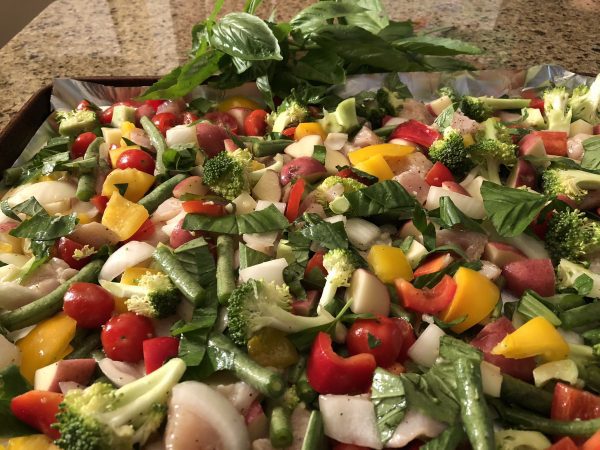
Chicken and Veggie Sheet Pan Dinner

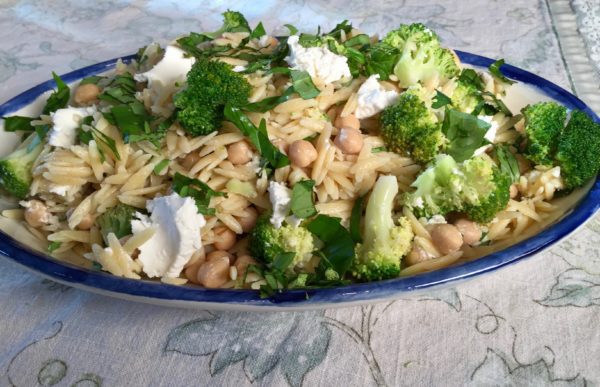
Add to grain bowls and pasta dishes – leafy greens, herbs, chopped or grated broccoli/cauliflower

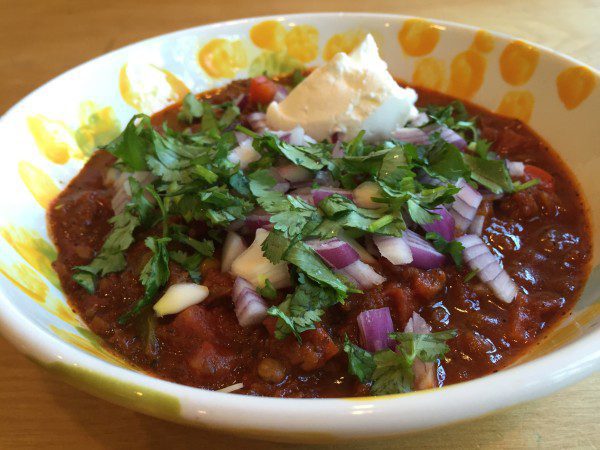
Add leafy greens – such as spinach, kale, Swiss chard –  to soups, chilies, stews the last few minutes of cooking.

Or serve with chopped herbs (such as cilantro, parsley) on top

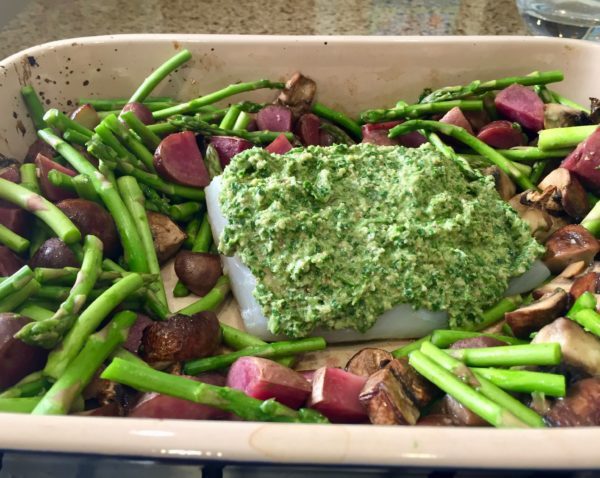
Make Pesto

  • Roast on fish, or chicken
  • Spread on breakfast toast, or rice cakes for a snack
  • Use as a sandwich spread or veggie dip
  • Toss with pasta, or grain bowls
  • Add to salads

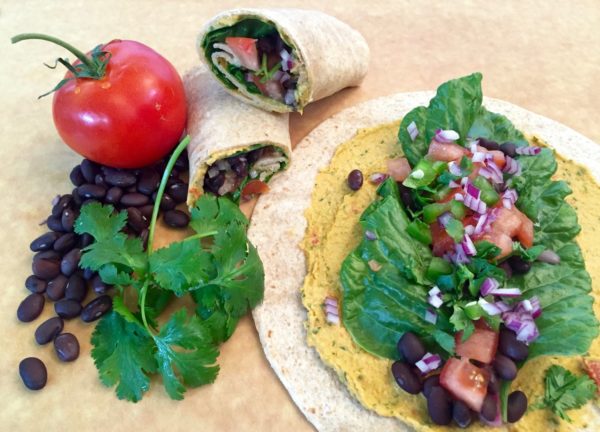
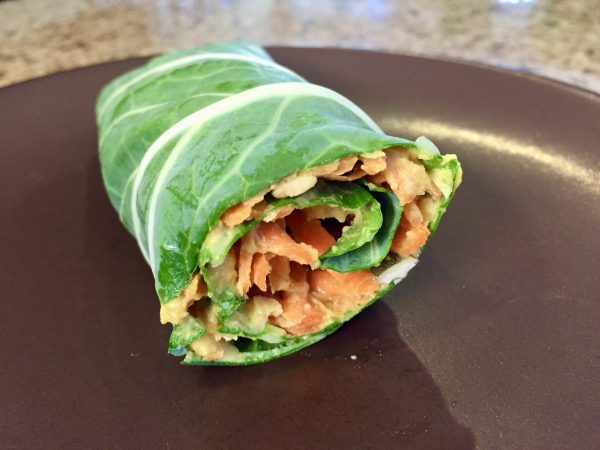
Use in lunch wraps with hummus, pesto,  leafy greens and leftovers

Use the Swiss chard or collard greens as the lunch wrap. Spread hummus, Greek yogurt or pesto and add leftovers. Or shredded veggies like carrot or beet and chopped nuts or seeds.

[su_expanding_quote_book alignment=”full” source_author=”Elson M. Haas MD” source_title=”Staying Healthy with Nutrition” full_quote=”Chard is about one-third protein and a good fiber food. Collards are among the richer sources of Vitamin A, folic acid and vitamin C are strong. Minerals calcium, potassium, iron and zine are plentiful as are multiple phytochemicals.” short_quote=”Chard is about one-third protein and a good fiber food”]


Updated from original post published October 2021

Good Mood Orange Foods: 8 Sweet Potato Recipes

Did you know sweet potatoes have more potassium than bananas? Sweet potatoes are an easy way to boost your overall health, and are loaded with good mood nutrients.

Nutrient-rich

  • High in vitamins A, C and E – one sweet potato has 5x the recommended daily allowance of Vitamin A
  • Essential minerals magnesium and potassium. Potassium helps maintain fluid and electrolyte balance in the body cells, as well as normal heart function and blood pressure
  • Carotenoids. These powerful phytochemicals protect against oxidative stress and facilitate communication between your cells. Beta carotene is good for your brain. It is also strong immune enhancer (boosts your immune system)

Fiber Rich
Fiber swerves two functions in your digestive tract which aid mood balance

  • Helps with digestion and feeds “good” gut bacteria
  • Removes toxins and waste from your body

Versatile
You can get two meals out of one effort. Just double the amount of sweet potato you cook

  • Roasted – use the additional sweet potato for breakfast, use as the base for leftover chili or bolognaise for twice-baked potatoes
  • Pureed –turn into a Sweet Potato Shepherd Pie or use for breakfast in smoothies, oatmeal, pancakes, or muffins
  • Steamed – use in breakfast hash or add to salads

Sweet potato can be substituted for pumpkin. I’ve certainly done that a number of times. Especially in oatmeal, smoothies and pureed soups.

NOTE: A yam is NOT a sweet potato. Nutrient-rich sweet potatoes are a native plant of the Americas. Yams are a starchy root that originated in Africa and Asia.

Here are some of my favorite recipes.

Black Bean Sweet Potato Enchiladas – Weelicious

I add either chopped kale or spinach.

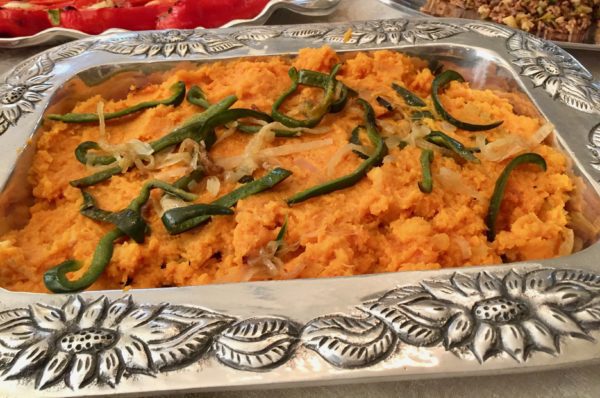
Sweet Potato and Butternut Squash Puree as a side to meatloaf or pork tenderloin. Re-purpose into Sweet Potato Shepard Pie

Stuffed Sweet Potatoes
So many options online! Choose recipes that include all macronutrients (protein, healthy fats) and have micronutrient diversity (multiple veggies). Add spices and herbs to boost the nutrient content – and flavor.

Here a couple of my favorites:

Chickpea and Spinach – The Last Ingredient

Use this as a base recipe. Add additional veggies:

  • Red bell peppers or poblano peppers
  • Broccoli or shredded Brussels sprouts

Add fish or meats

  • Shrimp, or salmon (canned or leftover roasted salmon)
  • Leftover ground beef/turkey or chicken

Mexican Quinoa Stuffed Sweet Potatoes – Simply Quinoa

Turkey Taco Stuffed Sweet Potatoes – Cookin Canuk
Add more veggies — . It’s a great ways to use leftover roasted vegetables!

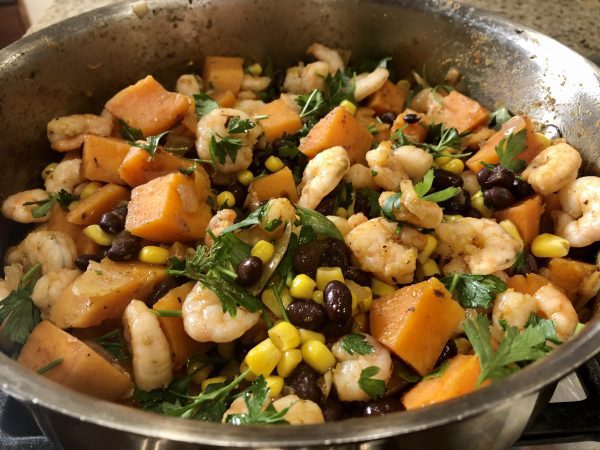
Sweet Potato Shrimp Hash – Babaganosh

Make a double recipe. Re-purpose into another meal

  • Make into a wrap with guacamole and greens
  • Toss with leafy greens and cilantro into a salad. Add chopped veggies like bell peppers, celery and tomato.

Meal Salads

Lentil and Sweet Potato Salad – NY Times Cooking
Enjoy as a side dish with roasted fish, meatloaf or pork tenderloin.
Re-purpose into a meal by mixing with greens (arugula, spinach, shredded kale or green leafy mix) tossed with balsamic vinaigrette.
You can use canned beans (black, white or kidney beans) instead of lentils

Roasted Beet and Butternut Salad – Girl Heart Food
LOVE this! The colors are glorious, the flavor delicious. Use as a side with dinner; pairs nicely with pork tenderloin. Make extra to turn into into lunch the next day:

  • Toss with greens
  • Add roasted pumpkin seeds or chopped nuts (almond, pecan, walnut)

What to Do?

Eating orange foods has never been so easy 😁

Thanksgiving for Four

How to make a Thanksgiving meal for two, or for a family of four, without creating massive amounts of food that cannot be eaten?
This nutrient-dense, gourmet menu is a delicious celebration of fall harvest and traditional dishes in measured way: turkey, cornbread and sausage stuffing, butternut squash, and cranberries.

Recipes

Soba Noodles with Mushroom and Cabbage

Cabbage does not sound exciting, but the flavors of this dish are marvelous!

I’m always looking for delicious ways to maximize the nutrients in our meals and this recipe fits the bill exceptionally well because it includes 5 of 6 GBOMBs (Greens, Beans, Onions, Mushrooms, Berries, Seeds/Nuts), the most nutrient-dense foods.

Mushrooms and cabbage are powerful anti-cancer foods and this dish is loaded with them. It’s a quick dinner recipe, easily adapted to different ingredients.

Leftovers are even more delicious as the flavors meld and… it’s also yummy cold; double the recipe and voila! Lunch to take to work or to enjoy later in the week. So despite the most unattractive name of this recipe, it is a most attractive dish to make for many reasons.

[su_expanding_quote_book alignment=”right” source_author=”Joel Fuhrman MD” source_title=”Super Immunity” full_quote=”Cruciferous vegetables (such as cabbage, broccoli, cauliflower and turnips) have a unique chemical composition with proven and powerful immune-boosting effects and anticancer activity. A 20% increase in cruciferous vegetables intake corresponds to a 40% decrease in cancer rates…Mushrooms contain many unusual disease-fighting compounds that empower the body to react quickly and powerfully when we are exposed to viruses and bacteria. Frequent consumption of mushrooms can decrease the incidence of breast cancer by up to 60%. The combination of mushrooms and greens is a powerful anticancer cocktail. (Green vegetables include kale, cabbage, collards and cruciferous)” short_quote=”The combination of mushrooms and greens is a powerful anticancer cocktail”]

Variations:

  • For family friendly-dinner, leave the Sriracha out of sauce and have it on the side
  • As is for a one-dish vegan dinner
  • Use any cabbage: purple, Napa, baby bok choy
  • Add other veggies: finely sliced carrot, broccoli, bell peppers etc
  • Replace soba noodles with udon or whole-wheat spaghetti
  • Add frozen shrimp, letting them cook in the steam from the veggies
  • Add leftover chicken, I’ve even added leftover steak, thinly sliced

Cauliflower “Fried Rice”

Here’s a fantastic way to enjoy cauliflower – a rather-tasteless-boring-white vegetable. Ha! Yeah those were my sentiments; I confess I avoided cauliflower until recently. Discovering how powerful it is to our immune system motivated me to find ways to eat it. And as always in my kitchen – nutritious must also be delicious!

So thank you SkinnyTaste for introducing me to Cauliflower “Fried Rice”! I’ve made multiple iterations; consider this a baseline rather than a precise recipe and go creative with what’s seasonal or in your kitchen.

Cauliflower is a cruciferous along with broccoli, Brussels sprouts and cabbage.

“ Cruciferous vegetables are among the most powerful weapons in our dietary arsenal against cancer. That alone would elevate it to the status of a SuperFood. Cruciferous vegetables boost the immune system, lowers the incidence of cataracts, supports cardiovascular health, builds bones and fights birth defects. They are some of the most nutrient-dense foods known offering an incredible high level of nutrition for a very low caloric cost. Steven Pratt MD and Kathy Matthews” SuperFoods: Fourteen Foods that Will Change Your Life”

Variations:

  • Skip the eggs, add edamame or tofu for protein to make it vegan
  • Or go the other way and add leftover chicken, pork or shrimp
  • Replace peas with edamame or snap peas (cut diagonally in halves or thirds)
  • Add mushrooms; wash, trim stems and slice. Cook with the chopped red onion

Mushroom Barley Soup

More than a soup, this is a meal in itself—flavorful, filling, and nutrient-dense.

Mushrooms contain many disease fighting compounds.  Mushrooms and greens (spinach, kale, etc) together makes a powerful immune booster combination

[su_expanding_quote_book alignment=”full” source_author=”Joel Fuhrman, MD” source_title=”Super Immunity: The Essential Nutrition Guide for Boosting Your Body’s Natural Defenses” full_quote=”Mushrooms contain many unusual disease-fighting compounds that are just beginning to be understood. These immune-supporting ingredients empower the body to react quickly and powerfully when we are exposed to disease-causing pathogens such as viruses and bacteria. Mushroom phytochemicals may even be helpful for autoimmune-diseases such as rheumatoid arthritis and lupus because of their anti-inflammatory and immune-modulating effects.” short_quote=”Mushrooms contain many unusual disease-fighting compounds”]

The aroma of mushrooms and onions, the comfort of a pot simmering with healthy goodness on the stove, cupping my cold hands around a hot bowl and savoring the hearty soup with its chewy barley and harmony of vegetables…this is one of my favorite winter meals.

Variations:

  • Leeks instead of onions
  • Add 1 cup white beans, cooked or canned
  • Add 2 cups spinach or chopped kale
  • Add 1/4 cup fresh chopped herbs before serving (basil, dill, cilantro are some of my favorites
  • Add 8 oz jar of sun-dried tomatoes, chopped

Serve it with a nutrient-dense leafy green salad like Kale, Apple and Cranberry Salad with Pumpkin Seeds

Crimson Coleslaw

Visually delightful with its vibrant hues, this salad is super-charged with healthy benefits.

Cabbage is one of the most nutrient-dense foods that can boost our immune system and protect us from disease.

Although green cabbage is most common, red cabbage has added nutritional benefits. The rich red color of red cabbage providing unique antioxidant and anti-inflammatory properties.

Beets also have exceptional nutritional powers.

[su_expanding_quote_web alignment=”full” source_site=”World’s Healthiest Foods: Beets” source_url=”www.websitename.com” full_quote=”Beets contain powerful nutrient compounds that help protect against heart disease, birth defects and certain cancers, especially colon cancer.” short_quote=”Beets help protect against heart disease, birth defects and certain cancers”]

Variations:

  •  Add 1/3 cup chopped parsley or cilantro
  •  Add 1 cup grated carrots
  • Add thinly sliced fennel bulb
  • To change up the dressing, add 1 – 2 tablespoons plain Greek yogurt to balsamic vinaigrette

Kale, Apple and Cranberry Salad with Pumpkin Seeds

Fresh, tangy with the crunch of crisp apple and toasted pumpkin seeds, every mouthful is a delicious, nutritious bite.

Kale, cranberries, green onions and pumpkins sees are all GBOMS – some of the most nutrient-dense foods on the planet. They a delightfully colorful salad.

Variations

  • Instead of large leaf kale (Lacinto, Tuscan etc), use baby kale, spinach or mixed greens
  • Replace dried cranberries with fresh berries or any other dried fruits: currants, apricots, dates
  • Replace pumpkin seeds with any nut (walnut, almond, hazelnut, etc). Fresh is always best (rather than store-bought roasted nuts, toast nuts in a skillet over medium heat.

Roasted Brussels Sprouts, Mushrooms and New Potatoes

Something magical happens in roasting vegetables, imbuing them with an aromatic flavors and softened luscious textures. This seems especially true for Brussels sprouts. Many a person who vowed not to like Brussels sprouts has been surprised into enjoying this dish.

This blend of vegetables is not only richly flavorful, it packs a mighty nutritional boost. Brussels sprouts, mushrooms and onions are GBOMBS – a group of the most nutrient-dense, healthy promoting foods on the planet.

[su_expanding_quote_book source_author=”Joel Fuhrman, MD” source_title=”Super Immunity” full_quote=”Certain plant foods contain significant amounts of substances that enhance human immune function and defenses against acute illness and chronic disease…Cruciferous vegetables (Brussels sprouts) are twice as powerful as other plant foods. A 20% increase in cruciferous vegetables intake corresponds to a 40% decrease in cancer rates…Mushrooms contain many unusual disease-fighting compounds that empower the body to react quickly and powerfully when we are exposed to viruses and bacteria.…Compounds in the onions have anti-inflammatory actions that protect against osteoarthritis and ward off infections.” short_quote=”Certain plant foods contain significant amounts of substances that enhance human immune function”]

Variations

  • Use 1 tablespoon chopped fresh rosemary instead of thyme and mix in as indicated
  • Use 1/2 – 3/4 teaspoon red pepper flakes instead of herbs
  • After roasting, add 1/2 cup finely chopped mint or parsley – or a combination of both


Serving suggestions

  • For a vegan meal, serve with a quinoa pilaf with cranberries and toasted nuts (walnuts, almonds, pecan etc) and a leafy green salad.
  • For a special dinner, serve with Baked Salmon with Cranberry Thyme Crust or Rosemary and Garlic Roasted Pork (if you choose this option, make the Brussels Sprouts dish with mint or parsley instead of rosemary) and a Spinach and Orange Salad.

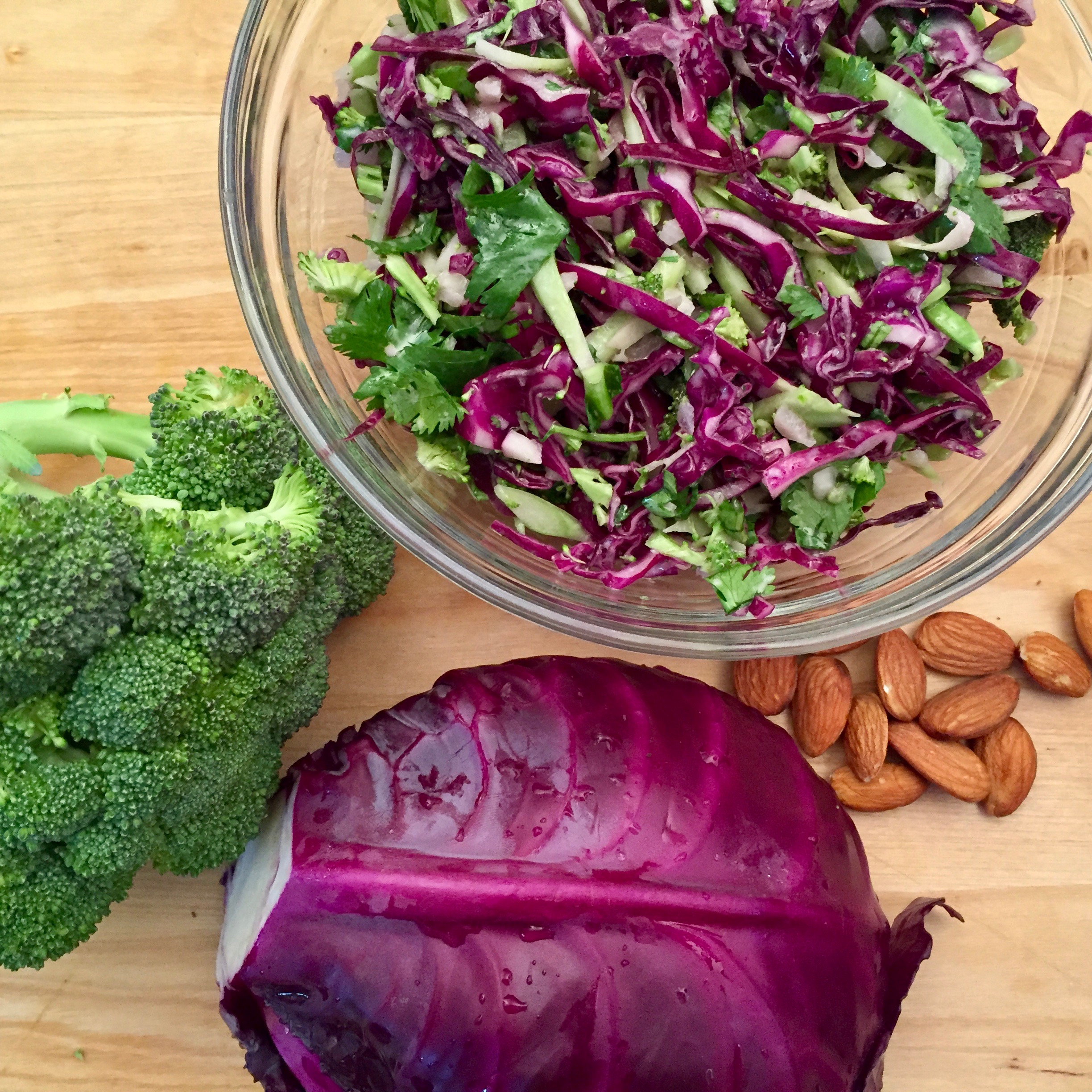
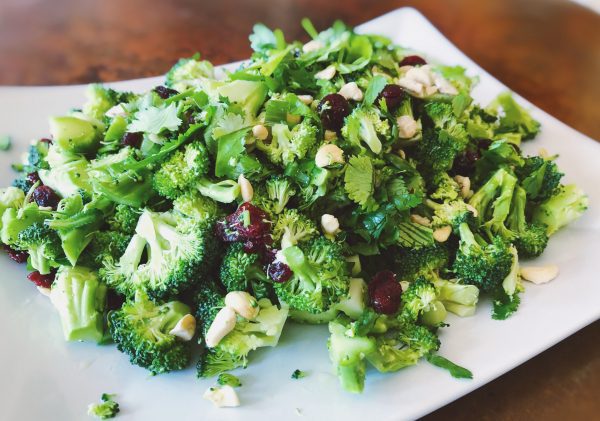
Crunchy Cruciferous Salad

Leafy greens and cruciferous vegetables (such as broccoli, cabbage, cauliflower) have more micronutrients than any other food. Micronutrients (vitamins, minerals, phytochemicals and fiber) are essential for our survival and longevity.

This salad is great on its own, but I often make a double batch to use as a base for different salads throughout the week.

Variations:

  • Exchange the broccoli or cauliflower with shredded cabbage or Brussels sprouts
  • Replace carrots with beets
  • Toss some Crunchy Cruciferous Salad  with leafy greens (spinach, arugula, mixed greens  – whatever is on hand).
  • Mix with leftover grains (rice, quinoa) for a quick meal
  • Or make a tortilla wrap adding greens and an extra drizzle of salad dressing.


Sweet Potato and Poblano Pepper Salad

Bold flavor meets brain-boosting nutrition

This vibrant, nutrient-dense salad is a celebration of whole foods that nourish your brain, support your gut, and help keep hormones in balance.

Sweet potatoes + Roasted poblano peppers + Black beans + Green onion + Parsley •+Rosemary = Nutrient dense

Why it works:
✔️ Complex carbs = clean, steady brain fuel
✔️ Beans + sweet potatoes = fiber for hormone and gut balance
✔️ Herbs + roasted peppers = antioxidants for cellular defense

“Sweet potatoes are rich in cartenoids, orange, yellow or red-colored fat soluble compounds that protect plants from sun damage while they help them attract birds and bees for pollination. Cartenoids help protect us from free radicals, modulate our immune response, enhance cell-to-cell communication and play a major role in protecting the skin and eyes from damaging effects of ultraviolet light. Foods rich in cartenoids have been linked to a host of health-promoting and disease-fighting activities. They have been shown to decrease the risk of various cancers, including lung, colon, bladder, cervical, breast and skin.” —  Superfoods RX: Fourteen Foods that Will Change Your Life, Steven Pratt, MD and Kathy Matthews


Greens and Edamame Salad

I love this salad for the hint of mint, the freshness of the greens and edamame; the blend of flavors is truly lovely. And it is also nutrient-rich, greens and beans are health-promoting superfoods.

The original recipe calls for escarole, a form of endive. Endive tends to be bitter, and it’ not always available so I usually make this salad with a blend of spinach and baby kale, or finely sliced lacinto kale.
Sometimes, to give it color, I add finely sliced raddichio to the green mix.

This salad can become a delicious entrée tossed with whole-wheat pasta (I like penne or elbow pasta for this) or leftover cooked quinoa.

To make it vegan, replace toasted sunflower seeds for the shredded Parmesan.


Arugula Salad with Strawberry Dressing

Variations:

  • Add sliced or diced cucumbers
  • Use different greens: spinach, mixed greens, finely sliced kale (stem removed) instead of arugula.
  • Use different nuts or seeds (pumpkin seeds, sunflower seeds)
  • Use different berries, or other seasonal fruit: citrus, mango…