Posts

A Nourishing, Brain-Healthy Thanksgiving

Transform your holiday with a colorful, brain-healthy Thanksgiving menu designed for family wellness, calmer kids, and steadier energy for women in perimenopause and menopause. Real-food recipes, simple prep tips, and 23 vibrant plant foods to make this your most nourishing holiday yet.

6 Delicious, Nutritious Pumpkin Recipes

Did you know that pumpkin packs an abundance of disease fighting nutrients? It also has wound healing, antimicrobial, anti-inflammatory, antioxidative, anti-ulcerative properties .
Extremely high in fiber, and low in calories, pumpkins are a rich source of:

  • amino acid tryptophan (important for production of serotonin in the body – key to brain function, is associated with positive mood and has a role in healthy sleep)
  • essential fatty acids
  • essential minerals potassium, magnesium
  • vitamins A, C and E
  • carotenoids, tocopherols and many phytochemiclas

“Pumpkin contains one of the richest supplies of bioavailable carotenoids known to man. Carotenoids are deep orange, yellow or red colored fat-soluble compounds that help protect us from free radicals, improve our immune response, and enhance cell-to-cell communication. Foods rich in carotenoids have been linked to a host of health-promoting and disease-fighting activities. They have been shown to decrease the risk of various cancers, including those of the lung, colon, bladder, cervical, breast and skin. The combination of carotenoids, potassium, magnesium and folate found in pumpkin offers protection against cardiovascular disease.” – Superfoods RX by Pratt, Steven and Matthews, Kathy

I used to think of pumpkins only as Halloween jack-o-lanterns and mushy pumpkin pies at Thanksgiving. Pumpkins didn’t register on my radar as a food, much less a superfood.

Now when fall comes around, I enthusiastically put it into my food.

Organic canned pumpkin is easy to incorporate into recipes, high in fiber and low in calories. But I recently made my own homemade pumpkin puree. from our leftover Halloween pumpkin. I used some to make Pumpkin Shrimp Curry and froze the remaining puree in mason jars for another day.

I feel like Linus waiting in his pumpkin patch for the Great Pumpkin. Sadly, Linus is always left waiting but never gives up hope. My hopes on the other hand, come to fruition as great pumpkins turn into great dishes this fall and boosting our immune system.

“Pumpkins contain carotenoids important for immune function. They are good sources of beta-carotene, alpha-carotene, lutein and zeaxanthin, antioxidants belonging to a group of pigments called carotenoids. Carotenoids defend the body’s tissues against oxidative damage, helping to prevent chronic diseases and premature aging. They help protect the eye from damage and improve several aspects of visual performance.” SuperImmunity by Fuhrman, Joel.

Here are some of my favorite ways to use pumpkin puree:

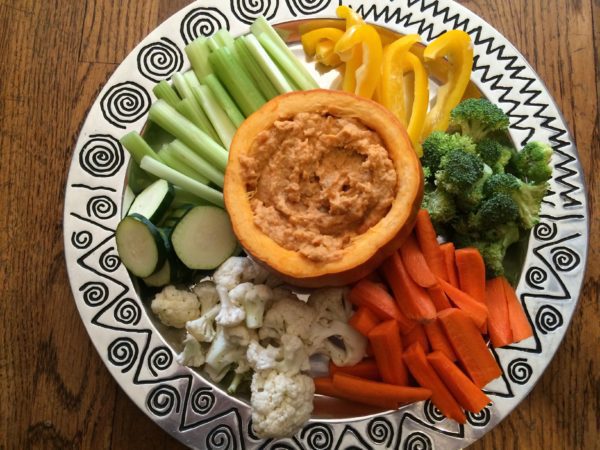
Pumpkin Hummus

Creamy Pumpkin Coconut Soup – Naturally Ella

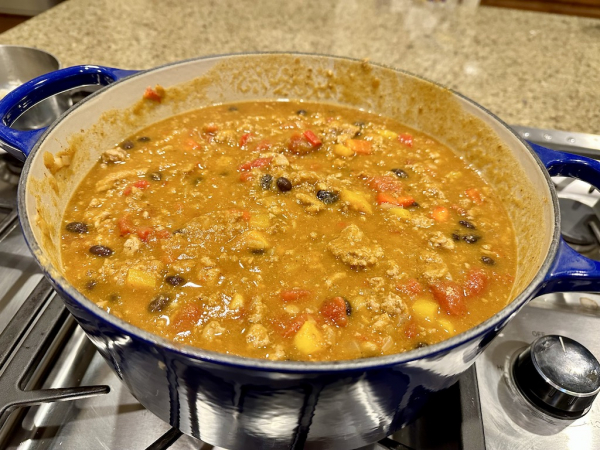
One Lovely Life: Pumpkin Chili

Pumpkin Shrimp Curry

Pumpkin Turkey Meatballs – Paleo Running Momma

I like to serve with a green salad + 3 colors and over quinoa, on occasion with orzo.

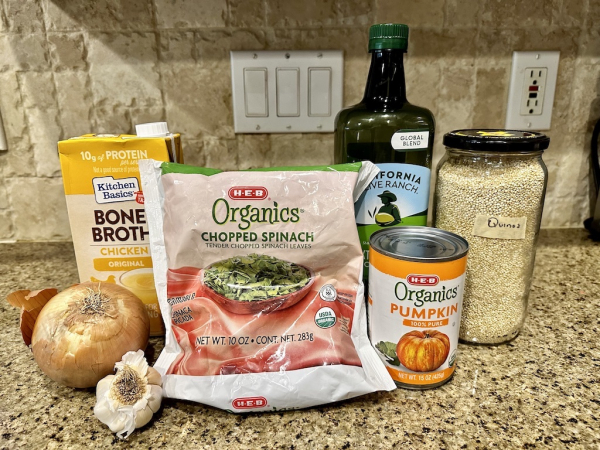
Parmesan Pumpkin Quinoa – I Food Real

This is so YUMMY and versatile. I used it

  • as a side with roasted fish, chicken or pork tenderlon
  • lunch salad tossed with greens
  • as a breakfast bowl
  • it can stand alone as a vegetarian meal topped with pumpkin seeds or chopped nuts

For More Empowerment
8 Impressive Benefits of Pumpkin

Top 5 Reasons to Eat More Pumpkin (Benefits, Nutrition & More): Dr. Axe

Originally published October 2017

8 ways to Boost Your Immune System and Mood with Leafy Greens

Did you know that eating leafy greens almost every day may be one of the most powerful steps you can take for your mental and physical health? They give you optimal amounts of immune-protective micronutrients

[su_expanding_quote_book alignment=”right” source_author=”Michael Greger, MD” source_title=”How to Not Die ” full_quote=”Greens truly are the healthiest foods on the planet. You simply can’t do better in terms of nutrition per calorie. Explore, innovate, taste test, play and teach you palate to enjoy them. Whether you sneak them into a refreshing smoothie, incorporate them into sauces and dressings, use them as a base for main dishes, or eat them straight in a big, vibrant salad – just do it. Your body will thank you for every bite of green you take.” short_quote=”Greens truly are the healthiest foods on the planet. You simply can’t do better in terms of nutrition per calorie…”]

Cruciferous Vegetables are in the same high-nutrient leafy greens category.  Named for their flowers with four equally spaced petals in the shape of a cross, cruciferous vegetables include:

  • Boh choy
  • Broccoli
  • Brussels sprouts
  • Cabbage
  • Cauliflower
  • Collards
  • Kale
  • Kohlrabi
  • Mustard greens
  • Turnip greens
  • Watercress
[su_expanding_quote_book alignment=”right” source_author=”Rebecca Katz” source_title=”The Healthy Mind Cookbook” full_quote=”Broccoli has B vitamins in abundance which is linked with better mental functioning, and as we get older, the prevention of dementia. Cabbages are especially powerful brain foods. Red cabbages  have antioxidant phytochemicals that protect neurons from damage caused by oxidative stress. Cauliflower is a great source of vitamin C which is good not only for overall health of your brain, but may elevate your mood. Kale is packed with 45 different varieties of antioxidant phytochemicals and mood-elevating vitamin C. ” short_quote=”Broccoli has B vitamins in abundance…”]

Our bodies are programmed to fight off infection and cancer. Green and cruciferous vegetables help our immune system to protect us from disease.  Over 120 of phytochemicals (natural plant chemicals) have been identified that have strong immune-boosting effects:

  • anti-inflammatory and antioxidant
  • detoxify and remove carcinogenic compounds
  • heighten the immune system’s resistance to viral infraction
  • work together to enhance defenses against bacterial infection
  • give each cell its own protective shield so destructive toxins cannot do damage
[su_expanding_quote_book alignment=”right” source_author=”Leslie Korn, MD” source_title=”Nutrition Essentials for Mental Health” full_quote=”Green plants are rich in chlorophyll, the green color of plants that helps to clean and build blood. It inhibits bacterial growth, yeasts and fungi in the digestive tract, purifying the body of toxins. It is anti-inflammatory and helps to renew cells and support healthy gut bacteria. It is an energizing food important to people with fatigue-related conditions, depression and IBS (inflammatory bowel syndrome” short_quote=”Green plants are rich in chlorophyll. It is an energizing food important to people with fatigue-related conditions, depression and inflammatory bowel syndrome”]

What to Do?

  • Blend greens into breakfast smoothies (spinach, mint, basil, kale…)
  • Add them to breakfast tacos, omelets, egg casseroles
  • Use variety to keep salads tempting: leaf salads using spinach, arugula, kale and different lettuces
  • Add grated cruciferous to leafy salads or grains
  • Put to soups, chilies, stews
  • Mix in cruciferous vegetables with sweet potato, any potato, any roasted other root vegetables
  • Drizzle with extra-virgin olive oil and crushed garlic to toss with grains or whole-wheat pasta
  • Make pesto to spread on fish, chicken, use as a sandwich spread, toss with grains and pasta, add to salads
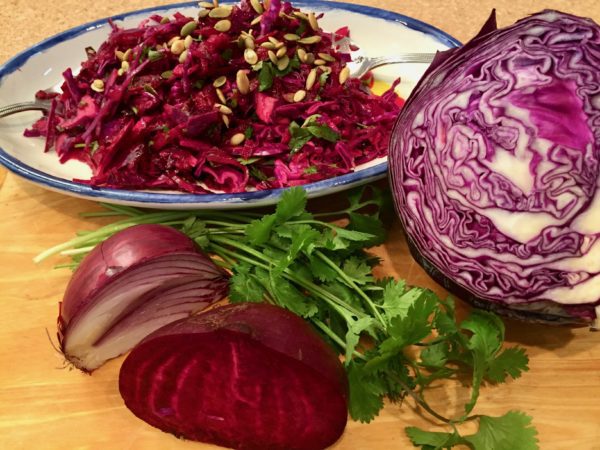
  • Make Coleslaws– Go beyond cabbage, use any cruciferous, add any thinly sliced, or grated vegetable – carrot and beets to from fennel and jicama and more. Skip the mayo and use a tangy vinegar-based dressing

Call to Action: Try a leafy green each week you have not eaten before. Which one will do you choose this week?

  • Arugula
  • Beet greens (cut thin like for coleslaw, add to salads or stir-fry)
  • Collard greens (use as a wrap instead or tortilla or as with beet greens)
  • Escarole (in place of lettuce or sauté with veggies or beans)
  • Kale (try it in a pesto) over fish, chicken, sandwich spread
  • Mustard greens
  • Radicchio 
  • Sorrel
  • Swiss chard
  • Turnip greens 
  • Let us have lettuce! 18 different kinds 😊

Updated from original post published November 2016

Bean Salads that Beat Brain Fog

Did you know that beans are loaded with brain-healthy nutrients?

  • Essential minerals associated with preventing cognitive decline: iron (one of the most common nutritional deficiencies) calcium, potassium and magnesium that helps regulate important neurotransmitters, including those that facilitate mood. Magnesium also helps sleep quality, which helps brain function. Lentils also have zinc which helps regulate brain signaling and neuroplasticity
  • B vitamins: B5 has key role in converting food you eat into energy. It literally makes neurotransmitters (like serotonin) that influence mood. B1 (thiamine) and B6 that help provide more focus and energy Low B6 can cause trouble concentrating. Vitamin B9 (folate) has shown to boost scores on cognitive tests folate and helps keep your mind sharp as you
  • Phytochemicals (protective natural chemical compounds in plants)
  • Plant proteins
  • Fiber feeds the “good bugs” that live in your gut (gastrointestinal tract). A healthy gut bacteria is linked to a healthy brain

Regular consumption of beans, peas and lentils will help keep your brain sharp and healthy. Legumes are also loaded with B vitamins like thiamin, riboflavin, and niacin. These have been linked with sharper mental focus, less fatigue and better memory. Legumes are also rich in key minerals that can help keep the mind sharp and the brain healthy.” —  Rebecca Katz, The Healthy Mind Cookbook

Combine nutrient-dense beans with colorful vegetables, spices and herbs and you have a superfood combination on your plate.

  • Remember every color of vegetables represents a family of powerful plant compounds
  • Spices contain the highest amounts of antioxidants per ounce compared with any other food and are excellent at supporting the brain’s innate detox system

These salads are an effective, delicious way to increase intake of plant food to boost brain health.  Aim for 2 – 3 colors +  herbs and spices at each meal and 8 servings each day.

Serve the bean salad on a bed of leafy greens which contain a ton of antioxidants, folic acid, vitamin E and beta-carotene – all nutrients that support brain health

[su_expanding_quote_book alignment=”right” source_author=”Drew Ramsey, MD” source_title=”Eat to Beat Depression and Anxiety” full_quote=”To stay healthy, you want a diverse microbiome, with a variety of good bugs known as probiotics. These good bugs not only help us digest our food but also send important messages to the brain. When you don’t have these important bacteria in the gut, brain function – and mental health – suffer. One of the easiest ways to up the diversity in your own microbiome is to eat foods that promote good bugs. This includes fiber, from veggies, to feed those bugs, as well as fermented foods to repopulate different strains of healthy bacteria directly to your gut.” short_quote=”To stay healthy, you want a diverse microbiome, with a variety of good bugs “]

Here are couple of my favorite recipes. Double the recipe to get a second meal, and even leftovers for lunch. Here’s how:

  1. Bean salad as a side dish + grilled chicken/fish or roasted pork tenderloin + hefty green salad
  2. Bean salad + cooked grains (quinoa or brown rice are my staples) + leafy greens + guacamole / tzatziki / tahini topping
  3. Bean salad + wraps (whole-wheat tortilla, kale leaves, red cabbage leaf) + toppings (guacamole / tzatziki / tahini topping)

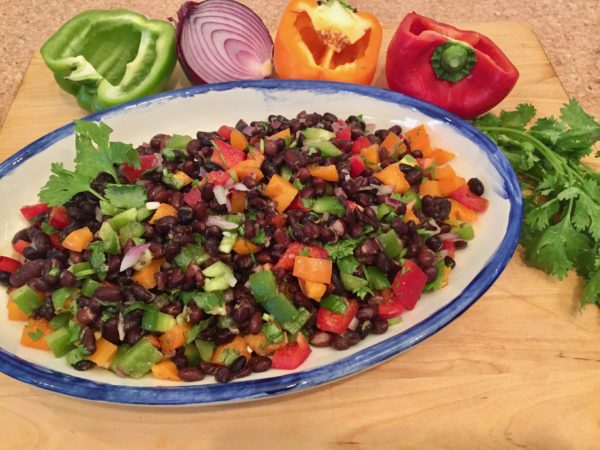
Southwest Black Bean Salad

  • Cumin: rich source of iron, calcium and magnesium
  • Cilantro: vitamins K and minerals linked to healthier brain function

Outrageous Herbacious Mediterranean Chickpea Salad – Food Crush

  • Parsley has a powerful phytochemical (luteolin) that is linked with memory improvements. Also rich in vitamin A – helps boost learning skills, and vitamin K – helps overall brain health.

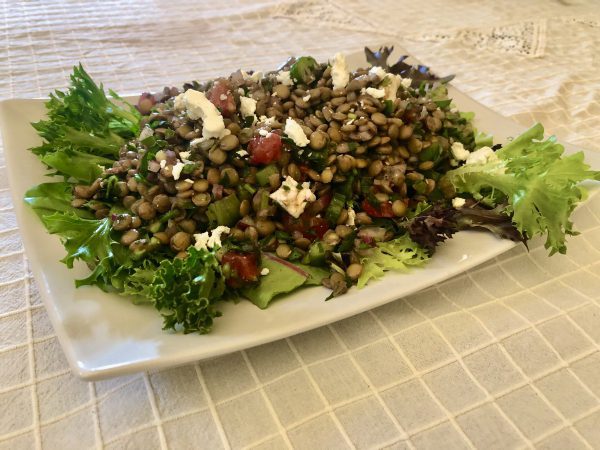
Lentil Tabouli Salad – Feasting At Home

A feast for your taste buds!

Allspice: rich in vitamins C and B9 which improve brain functioning as you get older.

Mint: Good source of vitamin A which can help boost learning skills and increase neuroplasticity, and vitamin C which helps protect against cognitive decline

Variations

  • With or without quinoa
  • Add goat cheese
  • Top with chopped walnuts (they’re linked to improved levels of concentration and mental energy)

White Bean and Tuna Salad – Simply Recipes

This is great “dinner-in-a-pinch” recipe.  White beans (cannellini or Great Northern) and canned fish (salmon or sardines usually) are some of my pantry staples.

Variations: Use this recipe as a base and add:

  • Additional veggies: asparagus, bell peppers, celery, chopped broccoli, leafy greens (arugula is especially delicious here). Add olives (green or black), or sun-dried tomatoes
  • Herbs: fresh basil, or parsley or mint
  • Add steamed or boiled, diced potatoes for a more robust meal

For more spectacularly delicious, nutritious lentil salad recipes check out

Feasting at Home

Do you have a favorite bean salad recipe?

Reclaim Your Energy Tip #1

Do you wake up tired? Do you feel exhausted before dinner time?  Did you know that food can sap or re-charge your energy?  What we eat and how we eat has a direct connection to feeling physically vibrant and emotionally balanced. These simple modifications can help you reclaim your energy.

  1. Eat a macronutrient ratio that best meets your body’s needs
  2. Eat mindfully

Eat a Macronutrient Ratio that Best Meets Your Needs

Macronutrients are the nutrients we need in big (“macro”) quantities: carbohydrates, fats, and protein. Each of these play vital roles in providing our body with consistent energy. You can get an even flow of energy throughout the day if you find the best ratio for your body.

In general, this is the necessary range to fuel our energy and nourish our body:

  • Carbohydrate 30 – 40%
  • Fat 30 – 40%
  • Protein 20 – 50%

However, we are all different. The ideal carbohydrate, fat, and protein intake will vary based on your activity level, digestive health, age, etc. The key is to find your ideal macronutrient ratio, adjusting the percentage based on your individual need.

It sounds complicated. But it is quite simple when we pay attention to what we eat and how we feel 1 – 3 hours after eating.

Keep a Food and Mood Journal for 10 days. Track what you eat. Set a timer and 1 -3 hours later jot down how you feel physically and mentally using these guidelines:


Right Macronutrient Ratio Wrong Macronutrient Ratio
Energy Level


  • Energy is restored after eating
  • Have long lasting sense of wellbeing after your last meal
  • Feel hungry soon after eatingLow energy, fatigue, exhaustion
  • Drowsiness
  • Hyper, jittery, anxious after your meal
  • Tired but wired
Mental/emotional wellbeing
  • Feel re-fueled or restored
  • Uplift in emotions
  • Improved clarity of mind
  • Normalization of thought processes
  • Mentally slow, sluggish, spacey
  • Unable to think clearly and quickly
  • Unable to focus
  • Depression or sadness
  • Hyper-anxious, obsessive behavior
  • Anger or irritability

Eat Mindfully

Paying attention to how you eat can also help reclaim your energy. Some ideas to eat mindfully:

  • Start with a brief silence and three deep breaths
  • Give an expression of gratitude or prayer of thanks
  • Take a moment to observe your food before you start eating — the smells, colors, textures and tastes. This sends signals to the brain to stimulate the digestive processes that will optimize your digestion and absorption.
  • Reflect on all that went in getting your food to your plate.
  • Slow down and chew thoroughly. This allows time for more complete breakdown of your food and better absorption of nutrients. It takes about 20 minutes after you begin eating for your digestive track to send the signals sent to your brain that say, “I’m full!”

Finding the best macronutrient balance for your individual need can provide consistent energy and reduce stress on your body. Eating nutrient-dense, whole foods is the most effective, and most enjoyable approach to reclaim your energy.

Want to know more? Join me for a FREE 30 minute online class: Reclaim Your Energy. Simply let me know in the comments. 😁

Examples of recipes with a good mix of macronutrients. These are great base recipes; change out the proteins and the veggies.

Breakfast

Breakfast Egg Muffins – Simply Quinoa

Lunch

How to Make Awesome Grain Bowls – Wholefully

5 Essential Tips for Non-Boring Salads – Hello Glow

Dinner

Sheet Pan Dinners – Cooking Classy

4 Nutrient-Dense Pork Tenderloin Recipes + Leftover Meals

Roasted pork tenderloin makes a nutritious, delicious anchor dinner that can be re-invented multiple ways.

Pork loin is a rich source of vitamins B1, B3, B6, minerals zinc, selenium, phosophorus, and potassium.

Pasture-raised pork is more nutritious than conventional pork, lower in saturated fat and higher in protein, vitamins B1, B2, zinc, copper and iron.

Roast Pork Tenderloin with Rosemary and Garlic 

I generally roast this classic tenderloin with seasonal vegetables.  It also pairs nicely with nutrient-dense mashed potatoes:

Mustard Crusted Pork with Carrots and Lentils – Epicurious

I use oatmeal instead of breadcrumbs in this recipe. The lentils bring in fiber, a critical nutrient

Roast Pork Loin with Shiitake and Leeks – Epicurious

Shiitake mushrooms and leeks are among the most nutrient-dense foods, making a powerful combination in this dish.

Sheet Pan Asian Pork Tenderloin and Green Beans – Six Sisters Stuff

Re-Inventing into a 2nd Meal

What is your favorite pork tenderloin recipe?

5 Nutrient Dense Broccoli Recipes

Eat more broccoli. Boost your health. Our bodies are programmed to fight off infection and cancer. The immune system is like a protective force field. Leafy greens and cruciferous vegetables fuel that force field.  Consuming a large variety can provide protection against infection and cancer. Cruciferous vegetables include

  • broccoli
  • cabbage
  • cauliflower
  • Brussels sprouts

Broccoli contains flavonoids with protective effects against the development of many neurodegenerative diseases such as Parkinson’s and Alzheimer’s.

[su_expanding_quote_book alignment=”right” source_author=”Joel Fuhrman, MD” source_title=”Eat to Live” full_quote=”The consumption of raw green vegetables has the most consistent and powerful association with the reduction of cancer of all types. Cruciferous vegetables are not only the most powerful anti-cancer foods in existence; they are the most micronutrient-dense of all vegetables.” ” short_quote=”Cruciferous vegetables are not only the most powerful anti-cancer foods in existence; they are the most micronutrient-dense of all vegetables”]

All vegetables contain protective micronutrients, but cruciferous vegetables have unique phytochemicals (naturally occurring chemical compounds) with proven and powerful immune-boosting effects and anti-cancer activity. These  anti-viral and anti-bacterial agents can

  • enable a potent immune-system stimulator to attack microbes such as viruses
  • heighten the immune system’s resistance to viral infraction
  • work together to enhance defenses against bacterial infection
  • boost natural cellular defenses with their natural anti-microbial effects

Over 120 of these phytochemicals have been identified that seem to have strong anti-cancer effects. They work synergistically to remove carcinogens and kill cancer cells.

  • Some have anti-inflammatory and antioxidant effects.
  • Some detoxify and remove carcinogenic compounds.
  • Other phytochemicals give each cell its own protective shield, so destructive toxins cannot do damage.
[su_expanding_quote_book alignment=”right” source_author=”Joel Fuhrman, MD” source_title=”Eat to Live” full_quote=”Cruciferous vegetables are twice as powerful as other plant foods. A 20% increase in cruciferous vegetables intake corresponds to a 40% decrease in cancer rates. As cruciferous vegetable intake increases, breast, lung, prostate and colorectal cancers decrease. One or more servings of cabbage a week reduced the occurrence of pancreatic cancer by 38%.” short_quote=”Cruciferous vegetables are twice as powerful as other plant foods.”]

Cruciferous vegetables are twice as powerful as other plant foods. A 20% increase in cruciferous vegetables intake corresponds to a 40% decrease in cancer rates. As cruciferous vegetable intake increases, breast, lung, prostate and colorectal cancers decrease. One or more servings of cabbage a week reduced the occurrence of pancreatic cancer by 38%.” Joel Fuhrman MD, Super Immunity

They contain specific phytochemical – glucosinolates. When they are chopped, blended or chewed, the cell walls break down. This causes chemical reaction converting glucosinolates to isothiocyanates (ITCs)—compounds with a variety of potent anti-cancer effects. Because different ITCs can work in different locations in the cell and on different molecules, they can have combined additional effects.  They work together to:

  • reduce inflammation
  • neutralize oxidative stress
  • remove carcinogens
  • inhibit angiogenesis (the process by which tumors acquire a blood supply), and kill cancer cells

Here are 5 delicious, nutritious recipes to help protect your brain and strengthen your immune system:

  • Appetizer
  • Soup
  • Salad
  • Dinner
  • Side Dish

Edamame Guacamole – Epicurious

Supercharge your guac – and your body! –  with nutrient-dense broccoli + 9 additional plant foods

Broccoli Detox Soup – The Awesome Green

Creamy, delicious, nutritious with 9 plant foods

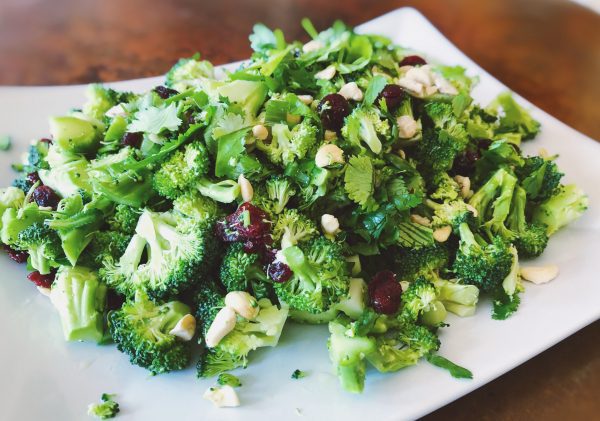
Crunchy Healthy Broccoli Salad – Color My Food
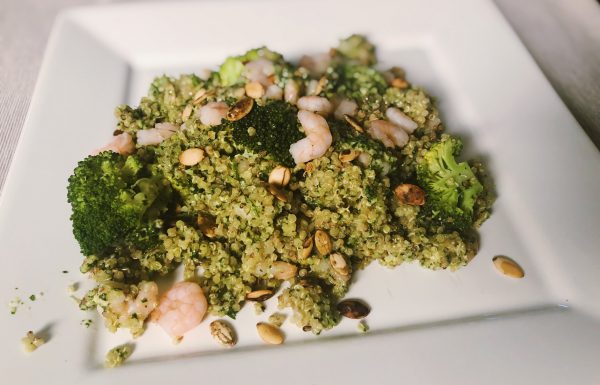
Broccoli Pesto Pasta – Home Grown Friends

Broccoli pesto gives pasta boost of mighty nutrients. Variations:

  • Add shrimp or chicken for macronutrient balance
  • Use quinoa instead of pasta and make a Quinoa Pesto Bowl
  • Add snap peas, green beans, or sliced red pepper  or texture contrast and additional micronutrients
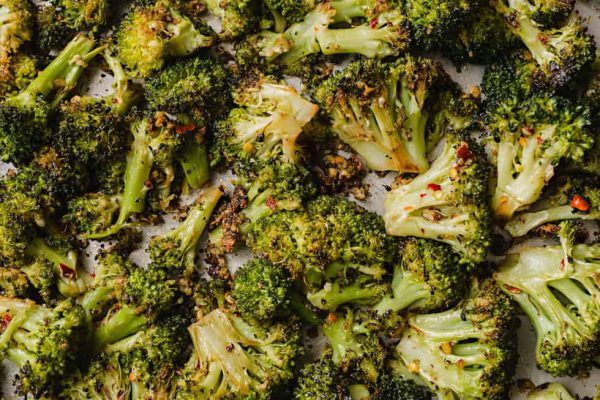
Oven Roasted Broccoli – One Happy Housewife

  • Add it to your roasting pan when making meatloaf or pork tenderloin
  • Double the recipe to add leftover roasted broccoli to grain bowls, salad or frittatas


For More Empowerment

Phytochemicals for Health’s Sake!

These micronutrients are non-vitamin, non-mineral components that support the defensive and self-repairing abilities of the human body.

Fiber for Health’s Sake

Fiber is a critical nutrient. But the standard American diet is dangerously deficient in fiber. Fiber deficiency can cause many health problems.

Crunchy Healthy Broccoli Salad

Some of the most nutrient-dense (nutrients per calorie) foods on the planet are:

  • Greens (including cruciferous like broccoli, cauliflower and cabbage)
  • Beans
  • Onions
  • Mushrooms
  • Berries
  • Seeds/Nuts

Eating lots of these vegetables give us optimal amounts of immune-protective micronutrients that can fend of disease.

This salad combines 4 of those superfoods: broccoli, onions, nuts, and berries. It’s a delicious, nutritious way to eat more broccoli and change up dinner salad from leafy greens. Leftovers make a great lunch topped with some chicken and/or leftover grains.

Variations

  • Add leftover bacon, chopped
  • Add avocado, diced
  • Use pumpkin or sunflower seeds instead of nuts
  • Use raisins or other dried fruit instead of cranberries
  • Add 1/2 cup chopped cilantro or parsley
  • Mix in arugula or baby spinach for a more robust salad
  • Add leftover quinoa, brown rice or other grain for a “meal salad”
  • Top with leftover chicken

Nut-Crusted Fish Fridays

The traditions of fasting and abstaining from certain foods are ancient ones practiced by many religions. In the early years of Christianity in Europe, the church instituted the practice of requiring the faithful to abstain from eating meat on Fridays.

During Lent, the 40-day period of religious self-denial from Ash Wednesday to Easter Sunday, the church called for abstaining from eating meat on Wednesdays and Fridays. The reason to abstain from meat on certain days was to aid in spiritual development. It’s an opportunity to turn inward towards reflection, meditation and prayer.

Although the Church’s directive was to abstain from eating meat and did not mention the consumption of fish on Fridays, somehow over time eating fish on Fridays became a tradition within the Catholic Church.

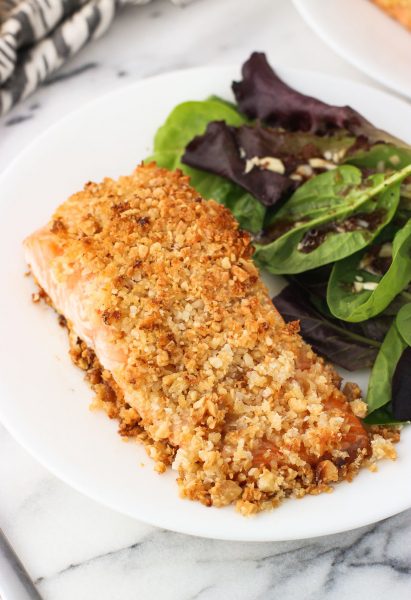
Here are 5 delicious, nutritious, simple and elegant ways to honor “Fish Friday” during Lent. And to enjoy any other time as well.  These are a beautiful harmony of protein, healthy fats, texture and flavor in these nut-crusted, baked fish recipes.

You can use mild white fish like cod or halibut or salmon. Use any nuts (walnuts, almond, pecan, etc.) These are an easy option for a weeknight  and also make elegant dishes for a dinner party.

Roast with asparagus, green beans or broccoli, maybe some new potatoes too, add a salad and dinner is done.

Almond-Lemon Crusted Fish – Eating Well

Coconut Crusted Salmon – My Sequined Life

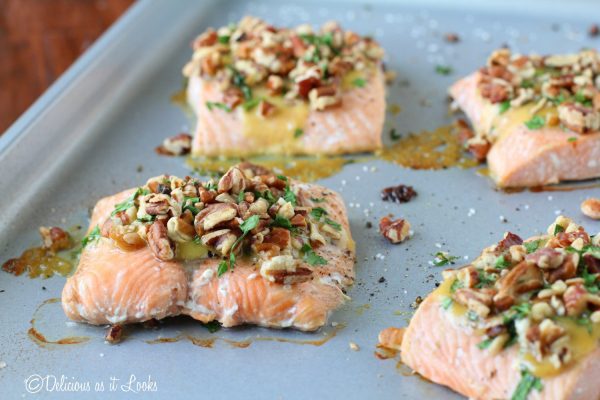
Dijon Pecan Baked Salmon – Delicious As It Looks

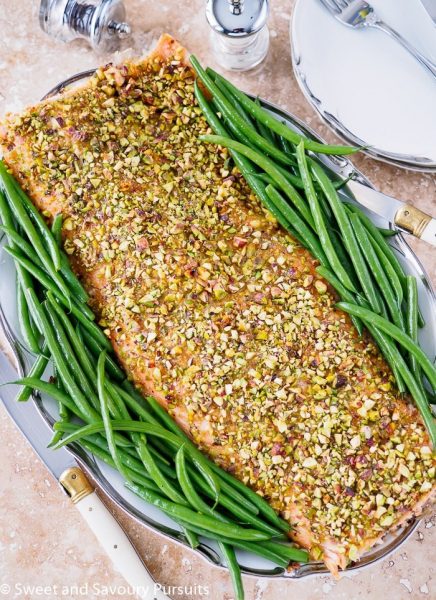
Pistachio Crusted Salmon – Sweet and Savory Pursuits


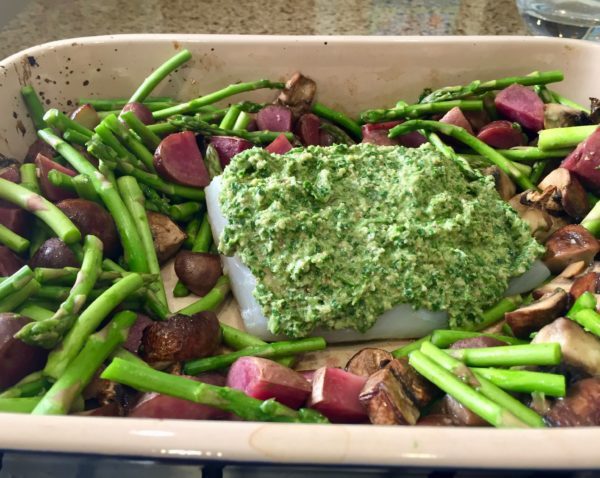
Pesto Crusted Fish – Color My Food


For More Empowerment

History on Catholic Tradition of Fish on Friday

A fascinating overview of the Catholic tradition of eating fish on Fridays, how that evolved with economic expansion in the Industrial Revolution, came to the U.S. with Irish and German immigrants and is now part of Friday night fish frys. To this day, local Catholic churches, American Legions, VFW halls, fire stations and other organizations, find inexpensive fish-fry dinners to be a good way for their members and community to get together and socialize while at the same time raising money for churches or organizations.

What’s the Catch

The importance of knowing where your fish comes from


9 Nutritious Ways to Reuse Meatloaf

Meatloaf is one of my favorite dinners during the cooler months. One of the main reasons is because you can get two (or more) meals of out meatloaf. Here are ideas to repurpose your meatloaf into another meal.

  • Grain bowls with the roasted vegetables, topped with marinara or pesto
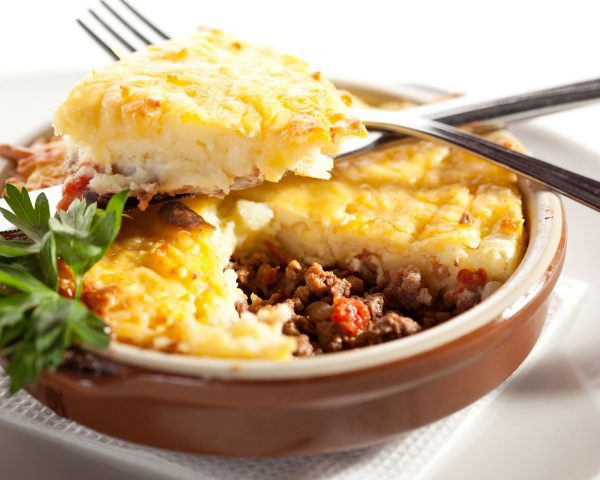
  • Shepherd’s Pie with the mashed cauliflower, potatoes or sweet potatoes
  • Stuffed peppers , or zucchini “boats”, or twice-baked sweet potatoes. Add tomato sauce and fresh herbs, top with cheese
  • Meatloaf tacos, mix with refried beans, and 1 – 2 dice tomatoes. Serve with toppings of choice: salsa, guacamole, plain Greek yogurt, jalapeños
  • Quinoa “lasagna”: layer cooked quinoa with chopped up meatloaf, mix 2 eggs with 1/2 cup of milk and pour over. Top with cheese and back at 350 until golden (40 – 45 minutes)
  • Meatloaf Fried Rice: chop up 1 tablespoon fresh ginger, and dice veggies (broccoli, green beans, bell peppers) and stir-fry with leftover rice, 2 -3 tablespoons soy sauce Serve with chopped green onion on top

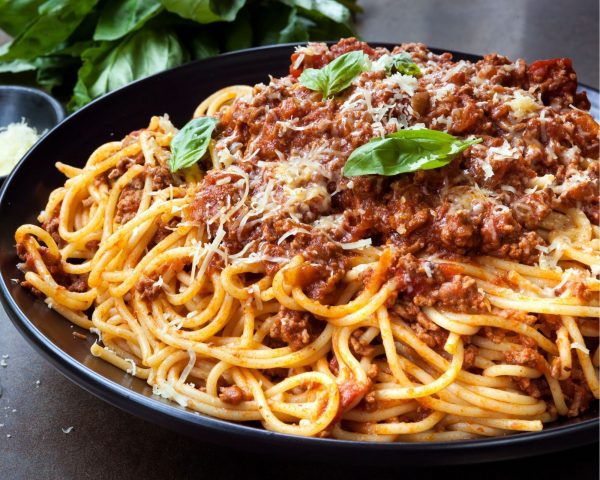
Meatloaf Spaghetti | The Spruce Eats

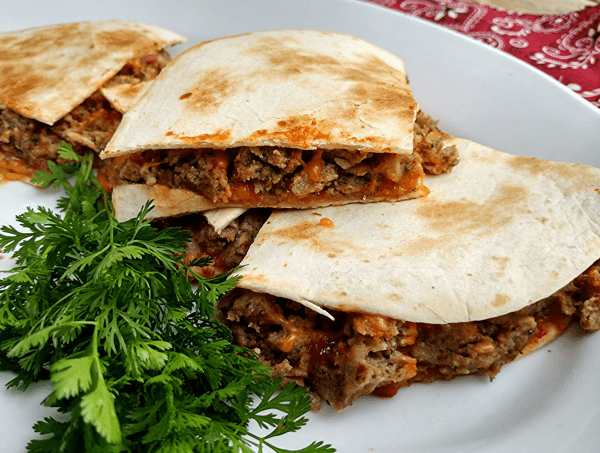
Meatloaf Quesadillas | Cook’n with Mrs. G

Shepherd’s Pie | The Spruce Eats

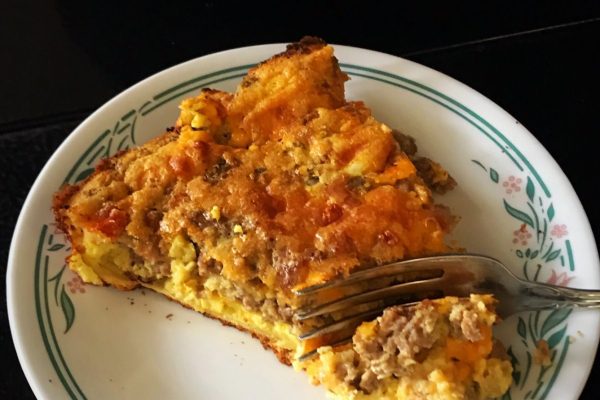
Meatloaf Quiche | The Kitchen Magpie

More ideas for Leftover Meatloaf

8 Things You Never Thought to Make with Meatloaf

Left Meatloaf: 10 Winning Ideas


Recipes

CMF Pad Thai Inspired

Pad Thai is noodle dish of stir-fried rice noodles with vegetables, peanuts, sprouts and a choice of meat.  One of the most well-known Thai dishes, it can be found at Thai restaurants around the world and roadside stands in Thailand. The balance of flavors and textures makes it so popular.

Thai food usually incorporates lemon grass, and kaffir lime leaves which are not in my staples so this is my adaptation.

I love the colors and nutrient-density of this meal, my families loves the flavors. It’s an excellent one-dish option on weeknights,  particularly if the vegges are prepped ahead of time.

Go vegan with tofu and/or edamame or add beef, shrimp, chicken or pork. I aim to include key nutrient-dense foods (Greens, beans, onions, nuts/seeds)

I’ve recently discovered black sesame seeds; they’re a whole unhulled variety often used in Asian cooking both for flavor and to create a color accent.

Health Benefits of Black Sesame Seeds

Variations

  • No bell peppers, no problem. Use green beans, broccoli, snap peas, whatever vegetables are on hand
  • Go vegan with tofu and (or) edamame
  • Use leftover chicken, pork or shrimp
  • Add shrimp, I usually have some in my freezer times when I need to make a quick dinner