Posts

Delicious No-Oats Oatmeal

Granted it’s not oatmeal but what else to call it? Creamy and satisfying, nutrient-dense and RESTART friendly, this paleo cereal made itself a permanent part of my breakfast rotation. Add “cake-inspired” toppings for visual delight, gratifying contrast of texture and increased nutrient-density.

  • Carrot Cake
  • Lemon Blueberry
  • Apple Pie

What other combinations could you try? Isn’t it a whole new spin on breakfast?!

7 Delicious, Nutritious Gluten-Free Breakfasts

Taking the flour out of breakfast is one of the best things we can do for our health. It’s been a challenge! But over gradually I’ve found some tried and true favorites that are more nutrient-dense. My basic guidelines are:

  • Macronutrient ratio (proteins, healthy fats, carbs from colored vegetables)
  • Micronutrient diversity (added produce, nuts and seeds, spices)

 Sweet Potato Muffins – Happy Healthy Mama

I make a batch of breakfast sausage to go along with them. Add additional spices (ginger, pinch of cloves…), top with nuts or pumpkin seeds. They also make a great afternoon snack.

Healthy Quinoa Breakfast Bowl – Color My Food

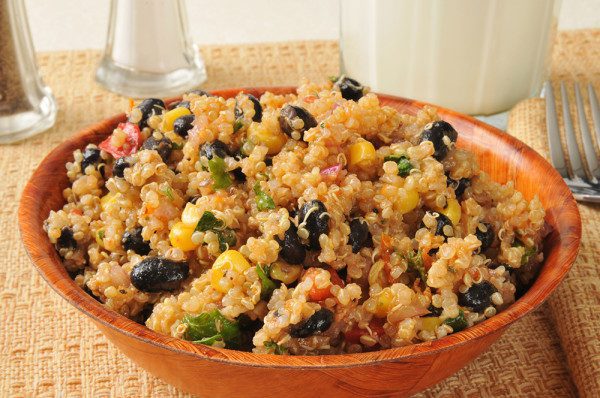
Versatile, variable and satiating, this is one of my all time favorite breakfast options. You can change it up so many ways with fruits or veggies, spices, nuts/seeds, nut butters. Mix in kefir, Greek yogurt, milk of choice or drizzle coconut milk over it.Eat color or warm. Pack it in a mason jar to go.Go seasonal.  Swweet potato, dried cranberries and toasted pepitas (pumpkin seeds). Pear/cardamom/pistachio. Blueberry/lemon/pecan. Mhmmm, so many possibilities.

Overnight Buckwheat Groats   – Fool Proof Living

A great alternative to overnight oats with all the benefits: make ahead, easy, delicious and nutritious. Also versatile: use different fresh and dried fruits, spices, nuts and seeds. I’ve discovered buckwheat is protein-rich and also fairly free of pesticides. Did you know that despite the name, buckwheat isn’t’ even related to wheat? It’s the seed of a plant related to rhubarb.

[su_expanding_quote_book alignment=”right” source_author=”Margaret Wittenberg” source_title=”The Essential Good Food Guide” full_quote=”Buckwheat is rarely grown with agricultural chemicals. Fertilizer tends to encourage too much leaf growth, and pesticides harm or kill the bees needed for pollination. Because it contains all the essential amino acids, including lysine, buckwheat can almost be considered a complete protein. It also contains good amounts of calcium, iron and B vitamins” short_quote=”Because it contains all the essential amino acids, buckwheat can almost be considered a complete protein. “]

Oatless Oatmeal – Dr. David Perlmutter

This sounds contradictory but it really gives the sensation of oatmeal without the oats. Dr. Walnuts, almonds, flaxseeds, pumpkins seeds and almond butter makes this a stellar nutrient-dense, breakfast. This is from Dr. Perlmutter a preeminent neurologist and authority on brain health (author of Grain Brain ) You can use different nuts and seeds, use different spices, top it with seasonal fruits.

Sweet Potato Hash – Delicious Meets Healthy

Egg-based breakfasts are part my weekend. Make enough to have later in the week. Love this hash for the versatility. Use it as a base recipe and add other veggies, use sausage or leftover chicken, add spices: cumin for Mexican, oregano and basil for Mediterranean, turmeric, cinnamon and cumin for a Moroccan flavor print.

Huevos Rancheros Casserole – A Zesty Bite

You can add nutrients simply by adding beans, and toppings: salsa, guacamole, hot peppers, chopped cilantro.

Toasted Coconut Berry Grain-Free Granola

Granola is a staple in my house. I use this one to top chia puddings, oatmeal or on a baked sweet potato. It’s spectacularly delicious. It also makes a marvelous gift for gluten-free friends.

Green Smoothie Bowls  – Simple Green Smoothies

Last but not least, smoothie bowls make an awesome breakfast. Pay attention to the macronutrient ratio. Make sure you’re getting protein and healthy fats.

Which one is calling your name?

For More Empowerment

Muffins Flourless and Fast!

Five Favorite Chia Puddings – Yovana Mendoza

These are a wonderful make-ahead, and “take-it-to-go” option. Originating in Mexico where ancient Mayans and Aztecs recognized chia as an exceptional source of nutrients, these tiny seeds are rich in omega-3 fats, higher in dietary fiber than flax seed and loaded with antioxidants and minerals.

Do you have a favorite gluten-free breakfast option?


Delicious, Nutritious Valentine’s Dinner

Celebrate with a real food feast❣️  Bursting with flavor, loaded with 14 plant-foods, this RESTART-friendly Valentine’s Dinner is a scrumptious delight!

Bacon-wrapped Apricot Zingers – Deliciously Organic

Ribeye and Garlic Mushrooms –  Neighbor Food Blog

Balsamic Roasted Fennel and Carrots – Healthy World Cuisine

I added beets

Green Salad, Avocado and with hearts of Palm – Williams Sonoma

Chocolate Framboise Cake  – Deliciously Organic

You can make the Apricot Zingers ahead of time and freeze. All veggies can be prepped the day before.

Phytochemicals for Health’s Sake!

Originally published May 2016 as Phyto What?!

[su_expanding_quote_book alignment=”left” source_author=”David Heber MD,” source_title=” What Color is Your Diet?” full_quote=”When dietary intake of micronutrients (abundant in both diversity and amount) is optimized, a dramatic reduction in later life disease and enhancements in lifespan are possible. ” short_quote=”When we eat a significant and diverse amount of unprocessed vegetables, our chances of staying healthier and living longer increase.”]

Phyto what?! Phytochemicals (also called phytonutrients) are natural chemical compounds in plants. Fruits, roots, leaves, vegetables, grains, beans, seeds, nuts are loaded with phytochemicals. These micronutrients are non-vitamin, non-mineral components that support the defensive and self-repairing abilities of the human body. It’s like creating an energy shield for our body. Eating a wide diversity of plant foods – including herbs and spices – significantly increases the phytochemicals we give our body.

Adding multiple plant foods into every meal is not only nutritious, but also delicious. Choosing healthy food does not mean sacrificing flavor or pleasure.

Benefits: 

Increasing research prove phytonutrients perform multiple function such as:

  • enhance our body’s anti-inflammatory abilities
  • prevent mutations at the cellular level
  • can prevent the proliferation of cancer cells

In other words, they boost our immune system and protect us from disease.

[su_expanding_quote_book alignment=”left” source_author=”Joel Fuhrman MD” source_title=”Eat to Live.” full_quote=”Substances newly discovered in broccoli and cabbage sprouts sweep toxins out of cells. Substances found in nuts and beans prevent damage to our cell’s DNA. Other compounds in beets, peppers and tomatoes, fight cancerous changes in cells. Oranges and apples protect our blood vessels from damage that could lead to heart disease. Nature’s chemoprotective army is alert and ready to remove our enemies and shield us form harm. Hardly a day goes by when a new study proclaims the health-giving properties of fruits, vegetables and beans.” short_quote=”Hardly a day goes by when a new study proclaims the health-giving properties of fruits, vegetables and beans.”]

Phytonutrients are provided by real food. It is the synergy that matters  – the interaction of phytochemicals with each other, and with other components (vitamins, minerals and fiber) that matters.

The most nutrient-dense, health-promoting foods are

  • Green vegetables (kale, spinach, collard and mustard greens are highest in overall nutrient density (most micronutrients per calorie.)
  • Cruciferous vegetables (broccoli, cauliflower, Brussels sprouts
  • Beans (including lentil)
  • Onions and garlic
  • Mushrooms
  • Berries and pomegranate
  • Seeds (sunflower, pumpkin, sesame, flaxseed) and nuts
[su_expanding_quote_book alignment=”full” source_author=”Joel Fuhrman MD” source_title=”Super Immunity: The Essential Guide for Boosting Your Body’s Defenses to Live Longer, Stronger and Disease Free” full_quote=”The concentration of phytochemicals is often highlighted by vibrant colors of black, blue, red, green and orange. The different types of phytochemicals have unique health benefits which is why a broad variety (of plant foods) is the most beneficial…The function and production of immune cells are supported by a wide exposure to various phytochemicals. In contrast, the lack of a wide variety of plant-derived phytochemicals in their natural form is responsible for the development of most preventable diseases, including cancer.” short_quote=”The different types of phytochemicals have unique health benefits which is why a broad variety (of plant foods) is the most beneficial”]

The more variety + the more quantity of plant foods we consume = the better we improve our immune system, which protects us from disease. So bring on the phytonutrients and boost your health.

What To Do

  • Instead of processed breakfast cereals, make a habit of homemade granola or overnight oats like Crunchy Granola from Kath Eats Real FoodCranberry Maple Granola from The Gracious Pantry.  Layer it with season or dried fruits and whole-milk Greek yogurt or plant-milk and a drizzle of coconut milk. Sprinkle with an extra sprinkle of cinnamon, nutmeg, allspice or other spice
  • Instead of white bread/bagel/mufin, enjoy whole-grain, plant-rich breakfast breads like Carrot Apple Muffins,  Sweet Potato Pancakes or Pumpkin Waffles
  • Sprinkle 1 – 3 tablespoons of sesame, sunflower seeds, pumpkins seeds, nuts or ground flaxseed to your smoothie, overnight oats, granola at breakfast. Add them to your breakfast breads, pancakes and waffles
  • Add nuts and seeds to your salads and grains
  • Try to incorporate onions and greens into at least one meal a day

For Further Health Empowerment:

Learn about GBOMBS

Nutrition Facts: Phytochemicals, The Nutrition Facts Missing from the Label

Chris Kresser: Phytochemicals and Health: A Deep Dive into Food-Based Plant Compounds and How They Impact Your Health

What to Eat for Energy and Focus: Macronutrient Guide

If you struggle with brain fog, low energy, mood swings, or hormonal imbalances — or you’re a leader seeking to improve employee cognitive performance — your brain health depends on nutrient-dense macronutrients that support not only brain cells but also the crucial gut-brain axis.

Macronutrients — carbohydrates, fats, and proteins — provide the essential building blocks and nourishment your brain and gut need to function optimally. The quality and balance of these nutrients are key to improving mental clarity, emotional resilience, and sustained energy.


What Are Macronutrients & Why Do They Matter for Brain & Gut Health?

Macronutrients are the nutrients you need in large amounts to sustain life and promote health. They:

  • Provide glucose and other nutrients that fuel your brain

  • Support healthy gut microbiome which communicate directly with your brain through the gut-brain axis

  • Build the structural components of neurons, hormones, and neurotransmitters

  • Regulate inflammation, mood, and cognitive function

A balanced intake of nutrient-dense macronutrients strengthens the gut-brain connection, which is vital for mental well-being, hormonal balance, and energy regulation.


🧠 Protein: Essential for Neurotransmitters, Hormones & Resilience

Protein builds more than muscle. It provides the amino acids needed to create dopamine, serotonin, acetylcholine, and stress-regulating hormones.

Whether omnivore of vegetarian, it’s essential to get sufficient protein for your brain and body. And quality matters. Choose grass-fed, pasture-raised, or wild-caught sources, instead of factory-farmed meat and farm-raised fish.  Choose nature’s plant-based protein rather than man-made (artificial meat burgers)

Best sources:

  • Wild-caught fish (salmon, sardines, mackerel)
  • Pasture-raised poultry
  • Lean meats – bison, elk, venison – occasional grass-fed beef and lamb
  • Pasture-raised eggs
  • Properly prepared legumes or tempeh

These proteins:

  • Provide all 9 essential amino acids
  • Support mental clarity, mood stability, immune strength
  • Deliver nutrients like B12, iron, zinc, and creatine often lacking in plant-only diets

Vegetarians:

It’s important to consume a variety of plant proteins to meet your amino acid needs. Some top vegetarian protein sources include:

  • Lentils and legumes (beans, chickpeas, peas)
  • Tofu, tempeh, and edamame
  • Quinoa and amaranth
  • Nuts and seeds (chia, hemp, pumpkin)
  • Whole grains (brown rice, oats, barley)

While many plant proteins are incomplete individually, combining diverse sources throughout the day helps ensure you get all essential amino acids.

For detailed vegetarian protein options, see Top Vegetarian Protein Sources.

👉 Brain Tip: For optimal brain and hormone health, emphasize diversity: fatty fish and poultry most days, with lean wild red meat occasionally.

🧠 Carbohydrates: Natural Glucose + Fiber for Brain Energy and Gut Health

Carbs are your brain’s preferred fuel—but quality matters. We want natural glucose, not refined, man-made sugars that spike and crash energy.

Carbohydrates from nature come from whole foods loaded with fiber and micronutrients that nourish the gut-brain axis, regulate blood sugar, and support neurotransmitter production.

Best sources:

  • Leafy greens and cruciferous vegetables
  • Colorful vegetables
  • Tubers and root vegetables
  • Legumes
  • Fruits (moderation)
  • Whole grains

These carbs:

  • Provide clean brain fuel (glucose)
  • Feed the gut microbiome, boosting mood and immunity
  • Support tissue repair, neurotransmitter production, and joint health

👉 Brain Tip: Chronically low-carb diets may lower serotonin and GABA levels, leading to anxiety or sleep issues. Don’t fear carbs—skip man-made carbs and choose carbs from nature


🔢 How Much Macronutrients Do You Need?

Your ideal macronutrient ratio is unique, influenced by genetics, lifestyle, stress, age, and digestive health.

Here’s a general range to support brain function, blood sugar stability, and o

  • Carbohydrates: 30–40%
  • Fats: 30–40%
  • Protein: 20–50%

Use these as starting points and adjust based on your body’s feedback.

🔎 How to Find Your Bioindividual Macronutrient Ratio

The ideal ratio should help you feel:

  • Energized and focused
  • Calm and emotionally balanced
  • Satiated, without cravings or crashes

Use the guide below to assess:

 Balanced Ratio
⚠️ Imbalanced Ratio
Cravings Full, no cravings or snacking Still hungry or craving sugar
Energy Steady, clear, resilient Tired, wired, or crashing
Mood Calm, focused, uplifted Anxious, foggy, irritable

Observe these signals to gauge if your macronutrient balance supports your brain and gut health

Steps to optimize your balance:

  1. Track your macros with apps like Cronometer or MyFitnessPal

  2. Keep a Food & Mood Journal for 1–3 hours after meals for 3 – 5 days to connect what you eat and how you feel

  3. Adjust your ratios based on your physical and mental responses over days or weeks


🌳 Choose Nutrient-Dense, Whole Foods for Brain & Gut Health

Quality matters as much as quantity:

  • 🌈 Eat a variety: Different proteins, seasonal carbs

  • 🐄 Choose ethical animal foods: Grass-fed, pasture-raised, wild-caught

  • 🍅 Eat seasonal and local produce to maximize nutrient density and minimize toxins

  • 🚫 Avoid processed foods, refined sugars, and industrial seed oils

Refer to the EWG Dirty Dozen & Clean 15 for produce guidance.


🧠 Final Thought: Your Brain Thrives on Nutrient Dense Food

Macronutrients are more than just numbers—they’re the building blocks of your energy, emotions, and resilience. By choosing carbs, fats, and proteins from nature in the best ratio for you, you build a lifestyle that supports:

  • Mental clarity and productivity

  • Emotional resilience

  • Hormonal balance

  • Sustained energy and vitality

Start tuning into your body’s signals, nourish your gut and brain with quality carbs, fats, and proteins, and experience lasting improvements in your health and well-being.


Ready to support your brain and gut health with nutrient-dense real food?

  • Subscribe for more insights on brain and gut nutrition and lifestyle 👉 


Back to Basics: The First Human Diet

New year resolutions are underway, including a renewed commitment to healthy eating. How to cut through all the contradictory diets, fake news, pseudo facts and know what to eat?

By going back basics. Back to the first foods humans relied on for tens of thousands of years. Food from the earth. This encompassed an enormous variety of plants and animals. Living in diverse communities and climates across the world, humans saw a wide range of roots, leaves, seeds, fruit, animals and obtained what they could from the earth around them.
There was no single diet. Some populations ate a lot of fat (think Inuit) and little carbohydrates; others ate the exact opposite. Yet across different diets (based on what was available from the environment) – there were common traits:
• Balanced macronutrients: protein, fat and carbs
• Micronutrient density. Miconutrients include vitamins, minerals, phytochemicasl (natural chemical compounds in plants).
• Diverse omnivorism; some did rely primarily on plant foods, but no early human diets were completely vegan

The first human diet was nutrient-dense. Nutrient-density is the concentration of nutrients (vitamins and minerals, phytochemicals, essential fatty acids and essential amino acids) per calorie of food. Nutrient-dense foods supply a wide range of micronutrients relative to the calories they contain.

[su_expanding_quote_book alignment=”right” source_author=”Sarah Ballantyne, PhD” source_title=”Paleo Principles” full_quote=”Nutrients are the molecular building blocks of our bodies. Not only are we made up of these raw materials, but our cells also use nutrients when they perform their various functions. This is why we continually need to consume enough nutrients for our cells to stay healthy and keep doing their jobs efficiently. ” short_quote=”Nutrients are the molecular building blocks of our bodies.”]

Today our genes remain pretty much the same, and we have the same nutritional needs as our early ancestors – preceding the Agricultural Revolution in the 17th century. Why does this matter? Because in terms of our biological history, the reliance on farmed food crops and domesticated animals is recent. Humans started consuming increasing amounts of grain (mostly wheat) only a couple hundred years ago. Our bodies are not designed to consume refined wheat.

And in the last one-hundred years or so, refined sugar, processed foods and chemical additives came in rapid succession, completely altering the composition of food that humans consume. In parallel, we (humans) have gotten more and more disconnected from our food and where it comes from. We have also disconnected from our body’s innate wisdom that guides us towards optimal health. Increasingly micronutrient deficiency is showing up as a major underlying driver of chronic diseases.

These disconnects have led to food choices that contribute to the development of chronic diseases: cardiovascular, diabetes, cancer, even Alzheimers and Parkinson’s.

Most of the US population consumes primarily processed foods which:
•  are designed to be hyper-palatable triggering pleasure points in our brain and causing us to crave more
•  interfere with normal hormonal cues due to added chemical components
•  bypass our natural hunger regulations system;
•  lack nutrients, so we continue to eat in search of more nutrients
•  lead to overconsumption of calories but under-consumption of nutrients

The Standard American Diet is energy-rich (lots of calories) but nutrient-poor: foods high in added sugars, refined grains and industrially processed oils, but devoid of the vitamins, minerals (and other health-promoting compounds) found in whole foods. The more processed or refined a food is, the more nutrients are stripped out. The result is nutrient deficiency.

[su_expanding_quote_book alignment=”right” source_author=”Sarah Ballantyne, PhD” source_title=”Paleo Principles” full_quote=”Large percentage of Americans are falling short on thirteen essential vitamins and minerals. Micronutrient deficiencies are so common that some researchers speculate that nearly all of us are deficient in at least one vital nutrient. ” short_quote=”Large percentage of Americans are falling short on thirteen essential vitamins and minerals.”]

What to Do?
Eat foods that come from nature the way nature intended. Retrain our palates to enjoy simple, natural foods to reconnect to our body’s innate wisdom
•  Eliminate, or at least minimize, processed food  even those labeled “natural” and “organic”. Even if made with organic ingredients, (think breakfast cereals) processed foods are still processed
•  Eat a wide variety of plants and sustainably-raised animals (think of meat as condiment rather than the “star” of the plate).
•  Celebrate nature with local vegetables and fruits of the season
•  Align with personal genetic adaptations from the part of the world we individually are descended from -incorporating traditional foods from our cultural backgrounds
•  Make family meals a regular occurrence and a sacred time, turning off devices and connecting with those around the table
•  Center holiday feasts and gatherings with family and friends around real food rather than sugary treats and flour

For more empowerment:
January is for Detoxifying

Eat Local Foods

9 Steps to Perfect Health – Eat Real Food: Chris Kresser


4 Delicious, Nutritious Meatloafs

Three reasons to love meatloafs. They are nutrient-dense, money smart and you can get two (or more) meals from them.

Nutrient Dense (nutrients per calorie)

Sustainably-sourced meat is rich in nutrients. Increase the nutrient density of your meatloaf by:

  • onion
  • chopped mushrooms
  • shredded carrot or zucchini
  • rice cauliflower
  • legumes  – lentils, black beans, white beans
  • herbs – cilantro, parsley, basil
  • spices – cumin, turmeric, paprika and more

Red meat is an excellent source of both macro and trace minerals, particularly zinc and magnesium. In meats, these minerals exist in a form that is much easier for the body to break down and utilize than the minerals in grains and legumes. Red meats are rick in vitamin B12, so important for a healthy nervous system and blood, and in carnitine, which is essential for healthy functioning of the heart. Beef and lamb fat contain fat-soluble vitamins and small amounts of essential fatty acids, especially if these animals have bene allowed to graze on green grass. These fat-soluble acids are what your body needs to utilize the minerals in all foods. Lamb and beef fat are rich in linoleic acid, which has strong anticancer effects; both lamb and beef fat contain palmitoleic acid, which protects us from viruses and other pathogens.” — Sally Fallon, Nourishing Traditions

Money Smart

By adding beans, vegetables, or grains  you can “stretches” one pound of ground beef twice as far. This makes sustainably-source meat more economical. Think of meat as a condiment rather than king of the plate.

Meatloaf is also time smart because you can bake at the same time with roasted vegetables. Just drizzle with olive oil mixed with minced garlic.

  • broccoli, Brussels sprouts or cauliflower
  • asparagus or green beans
  • bell peppers
  • potato and/or sweet potatoes
  • other root vegetables: carrots, beets, turnips, rutabaga

The most delicious, nutritious option is to use different color veggies.

Or serve it with sweet potato puree or nutrient-rich mashed potatoes mashed with other root vegetables

  • cauliflower
  • carrots
  • turnips, rutabaga

Or add “mix ins” to your mashed potatoes

  • sautéed spinach or kale
  • leeks
  • mushrooms

Get additional meals with either the roasted vegetables (like grain bowls) or with the mashed potatoes  (Shepherd’s Pie)

2-for-1: Jumpstart another meal

Make two and freeze one for another day. Defrost before putting in the oven

Double recipe to repurpose into another meal later in the week:

  • Stuffed peppers , or zucchini “boats”, or twice-baked sweet potatoes. Add tomato sauce and fresh herbs, top with cheese
  • Meatloaf tacos, quesadillas or enchiladas
  • Spaghetti or chili
  • Quiche or fried rice

A couple of my favorite meatloaf recipes

You can use ground beef, bison, lamb, pork or turkey for these recipes.

Turkey Meatloaf with Apricots- Color My Food

Buffalo Meatloaf with Mushrooms – Epicurious

Mexican Meatloaf with Black Beans – The Spruce Eats

Quinoa Meatloaf – The Abundant Kitchen

What To Do?

✅ Make a double recipe: one for Sunday dinner and to repurpose into another meal later in the week

✅ Alternate Sunday dinner with either pork tenderloin or meatballs

🌟 12 nutrient dense recipes for Sunday dinners: 4 meatloaf + 4 pork tenderloin + 4 meatballs


4 Brain Boosting Black Bean Meals

If you’re feeling low energy, foggy, or struggling with stubborn weight or mood swings, it may not be your willpower — it might be your blood sugar, your gut, or your brain asking for better nourishment.

One of the simplest (and most budget-friendly) ways to support your brain, hormones, and energy is with one humble ingredient: black beans.

🧠 Why Black Beans Are a Brain-Healthy Carb

Black beans are so much more than a source of plant-based protein. They’re a carbohydrate from nature — nutrient-dense, fiber-rich, and designed to nourish your gut and your brain.

Here’s how they help you feel and function your best:

🌿 Balance blood sugar for steady energy and focus
The fiber and resistant starch in black beans slow glucose absorption, helping you avoid the spikes and crashes that lead to fatigue, mood swings, and cravings.

💪 Feed your gut microbiome for better mood and immunity
Your gut bacteria thrive on the fiber in black beans, producing short-chain fatty acids that reduce inflammation and strengthen the gut-brain connection — the pathway that affects how you think, feel, and sleep.

🌸 Support hormone and metabolic health
Stable blood sugar = stable hormones. Black beans also deliver magnesium, folate, and B vitamins, key nutrients for perimenopause and menopause brain health.

💖 Protect your brain long-term
Rich in polyphenols and antioxidants, black beans help combat oxidative stress and inflammation — two key drivers of cognitive decline and mood imbalance.

🥣 One Pot, Four Nourishing Meals

Cooking one pot of black beans can become the foundation for four easy, brain-healthy meals throughout your week:

1️⃣ Breakfast: Savory black beans with scrambled eggs, avocado, and salsa.
2️⃣ Lunch: Power bowl with black beans, roasted sweet potatoes, greens, and tahini dressing.
3️⃣ Dinner: Black bean quinoa chili with colorful vegetables and a side of brown rice or quinoa.


4️⃣ Snack or Side: Black bean dip with cucumber, bell pepper, or jicama sticks.

Bonus: Even dessert! Fudgy Black Bean Brownies – yum! 😋

🌟 Tip: Soak your beans overnight with a splash of apple cider vinegar or lemon juice — it improves digestion and makes nutrients more bioavailable for your brain and body.

💡 Bottom Line

Black beans are an ancestral carbohydrate that deliver slow, steady nourishment — not the quick highs and crashes of refined carbs.

They help balance blood sugar, support your gut-brain axis, and nourish your hormones and energy naturally.

So next time you’re feeling drained or foggy, skip the processed carbs and start your week with a pot of beans. Your brain will thank you. 🧠💖

✨ Quick Update: Modern Convenience Meets Ancestral Nourishment

When I first wrote this post, I made beans the old-fashioned way — soaking overnight, simmering on the stove for hours.
Today, I’m all for nourishing smarter, not harder. An Instant Pot (or pressure cooker) makes it easy to cook a pot of beans in under an hour — no soaking required.
I love this simple Instant Pot Black Beans recipe from #YummyMummyKitchen as a starting point. Once your beans are ready, you can turn them into multiple brain-healthy meals throughout the week.

Updated from original 2020 blogpost

Nutrient-Density for Life

I get asked all the time about my workout routine and I’ve explained more times than I can remember that it’s not just about being active—even walking half an hour a day matters, but that’s a different conversation. Fundamental to my physical fitness is my eating lifestyle.

And it all boils down to choosing nutrient-density for life. Nutrient-dense foods are those that have the most nutrients per calorie. Making nutrient-dense foods the core of my food choices for me is a commitment for life, both in terms of lifestyle but most importantly for quality of life and longevity.

[su_expanding_quote_book source_author=”Joel Fuhrman, MD” source_title=”Eat To Live” full_quote=”

Our health is predicted by our nutrient intake divided by our intake of calories.

Health = Nutrients/Calories

This is a concept I call nutrient density of your diet. Food supplies us with both nutrients and calories (energy). All calories come from only three elements: carbohydrates, fats and proteins. Nutrients are derived from non-caloric food factors—including vitamins, minerals, fibers and phytochemicals. These nutrients are vitally important for health. For both optimal health and weight loss, you must consume a diet with a high nutrient-per-calorie ratio.

” short_quote=”Our health is predicted by our nutrient intake divided by our intake of calories.”]

Recently I realized that in my twenties and thirties I exercised and ate to look good. Now it’s indisputably about feeling good, being healthy and aging well.

It’s devastating to witness the toll Parkinson has on my beloved, intelligent, athletic father. As I’ve shared before, it was his diagnosis that started me down the path to learn more about food and health. The sense of impotence is overwhelming in a disease like Parkinson’s that has no cure. Because I’ve always had a passion for food and healthy eating, food was a natural thing for me to grab onto as a means to help him. Food was something I could control. So I dove in, looking for ways that nutrition might slow down the advance of the disease.

Along the way I was astounded, and am continuously surprised anew, at the stunning link between our dietary/lifestyle choices and health.

Now its not only about helping my dad, it is critical to my health as well. And also to raise my daughter to be food/health literate. Teaching her to enjoy and choose a healthy food lifestyle is one of the best lessons I can give her and will serve her the rest of her life.

Our daily food choices have the power to deteriorate and even shorten our lives. And glory be! The reverse is also true: a high nutrient-lifestyle can lower our chances of developing serious diseases and add more years to our life. With the added benefits that along the way it will help us sleep better, feel better physically and emotionally and have more energy.

[su_expanding_quote_book alignment=”right” source_author=”Joel Fuhrman, MD” source_title=”Eat To Live” full_quote=”

Eating large quantities of high-nutrient foods is the secret to optimal health. High-nutrient, low-calorie eating results in dramatic increases in life span as well as prevention of chronic illnesses. Food gives us energy and the building blocks to grow in the form of calories. The power is non-caloric micronutrients in food (vitamins, minerals and especially phytochemicals) that strengthen and support normal immune function.

Utilizing a combination of foods that are rich in powerful, immunity-strengthening phytochemicals and other micronutrients, it’s possible to prevent most common modern diseases. By maximizing the function and protective potential of the human immune system, we can protect our bodies against disease.

” short_quote=”Eating large quantities of high-nutrient foods is the secret to optimal health. High-nutrient, low-calorie eating results in dramatic increases in life span”]

This journey of food and health is incredibly empowering. It’s taught me that we have far more control in our health destiny than dire statistics seem to indicate.

So what to eat? As many plants as possible! Grains, vegetables, fruits, nuts, seeds, herbs and spices. Plant foods contain more nutrients per calorie than any other food on the planet. And within the plant kingdom, some are much higher in nutrients than plants. At the top of the list are GBOMBS: greens, beans, onions, mushrooms, berries and seeds. Those are the core of my weekly menus, but all plant foods make an appearance at different times. The beauty of eating locally and seasonally, is the way it changes the food we enjoy.

This doesn’t mean I’m vegetarian, but rather that I choose a plant-rich eating lifestyle. Meat is usually a condiment. And yes, on occasion I enjoy a delicious steak, just like I love a luscious piece of chocolate cake. But those are treats rather than the norm. For every day eating, I love the challenge of seeing how many plant foods I can pack into a meal.

How many plant foods do you average in your breakfast? On a given day?

[su_expanding_quote_book alignment=”full” source_author=”Joel Fuhrman, MD” source_title=”Eat To Live” full_quote=”The higher percentage of nutrient-dense plant foods in the diet allows us to predict freedom from cancer, heart attacks, diabetes and excess body weight. Fruits, vegetables, and beans must be the base of your food pyramid.” source_author=”Joel Fuhrman, MD” source_title=”Eat to Live” short_quote=”The higher percentage of nutrient-dense plant foods in the diet allows us to predict”]

For More Empowerment

Nutrient Dense Foods

SuperFoods: The backbone for a healthy life

Nutritionfacts.org


Books

Eat to Live, Joel Furhman MD

Super Immunity, Joel Fuhrman MD

How to Not Die, Michael Greger

Genius Foods, Max Lugavere

SuperFoods Rx, Steven G Pratt MD, Kathy Matthews

China Study, Thomas Campbell

1 Colorful Bean Recipe for 3 Meals

I’m trying something new – integrating a blogpost (about food and health) with a weekly meal plan anchored on a core recipe. I’m still seeking the best way to translate my  meal planning and our daily eating into this blog to make it easier for you to make nutrient-dense homemade meals.

It was a revelation to learn how critical fiber is  for our  brain health, heart health – overall health.

  • It helps us absorb nutrients from food, boosting our immunity
  • It takes toxins and waste out of our bodies, reducing inflammation and risk of cancer
  • Helps regulate blood sugar, reducing the risk of type II diabeletes

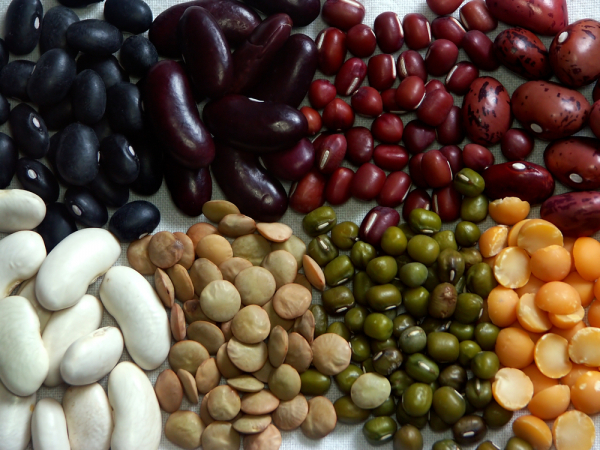
So how do we get more fiber? Eat more beans; they are one of the richest sources of dietary fiber.  And they have powerful combinations of vitamins and phytochemicals.

So how to eat more beans in a week? I anchored my meals this week on a double batch of Southwest Black Beans.

Sunday

Pork Tenderloin

CMF Brown Rice

Made a double batch of rice; put away half to use later in the week. To the remaining half, I added 1 cup of peas and 1/3 cup chopped cilantro to the rice

Spinach Peach Salad

The recipe calls for citrus, but can replace with peach, nectarine, pear or mango

Monday

Southwest Black Beans over greens tossed with lime vinaigrette, served with avocado toast topped with toasted sunflower seeds


Tuesday

Fish Tacos

Roast fish fillets (brush with olive oil, top with lemon slices and broil in pre-heated oven for 10 – 15 minutes until begins to flake)

In a tortilla place greens, bean salad, fish, topped with a dollop of plain Greek yogurt and pico de gallo or chopped jalapenos

Spinach Salad with Avocado and Tomato tossed with CMF Basic Salad Dressing

Wednesday

Soba Noodles with Mushroom and Cabbage, topped with leftover pork tenderloin,  thinly sliced (I used kale instead of cabbage)

Thursday

A “meal salad” tossing black bean salad with leftover brown rice and greens (I used a blend of baby kale and spinach), topped with feta cheese


What do you think? Is this a meal plan that you could use?


More Recipes Using Beans

Food Revolution Network: 12 Recipes using beans

Recipes

Nothing Found

Sorry, no posts matched your criteria