
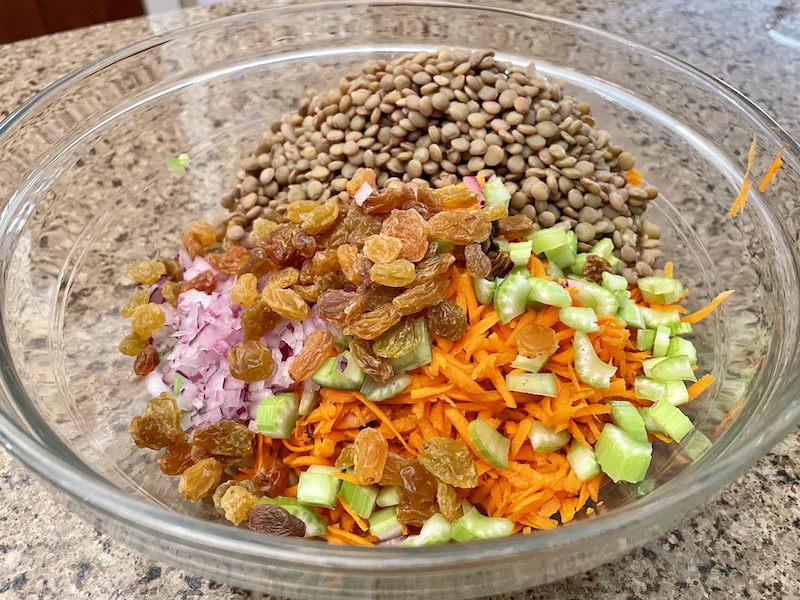
Fiber: A simple way to nourish your gut, support your brain, and feel and function at your best
If your goal is to feel and function better, adding more plants to your plate is one of the simplest places to begin.
Fiber is one of the reasons I encourage my clients to think differently about carbohydrates.
Not all carbs are created equal.
Think about the carbs ancestral humans ate for millennia—they got their carbs from plants. These foods were naturally rich in fiber, vitamins, minerals, polyphenols, and other compounds that nourish your brain and body.
Refined carbohydrates are a relatively modern addition in terms of human evolution.
Your body doesn’t digest fiber the way it digests other carbohydrates.
And fiber is brain-supportive nourishment.
So instead of thinking:
“I need to eat fewer carbs.”
Try asking:
“How can I add more carbs from plants?”
Fiber Helps your Feel and Function Better
Fiber helps create steadier energy
Your brain depends on a steady supply of energy.
Pairing carbs from plants with protein, healthy fats, and fiber can help slow the release of glucose into your bloodstream, supporting steadier energy throughout the day.
Fiber nourishes your gut microbes
Certain types of fiber provide fuel for the trillions of microbes living in your gut.
And because your gut and brain are connected, supporting your gut is part of supporting your brain.
Fiber supports regular digestion
Feeling good in your body starts with being able to digest, absorb, and eliminate well.
Fiber keeps things moving through your digestive tract and helps support regular bowel movements to remove waste and toxins.
Fiber-rich foods bring more than fiber
This may be my favorite reason to eat more plants.
A colorful plate of vegetables, beans, berries, whole grains, nuts, seeds, herbs, and spices doesn’t just give you fiber.
It gives you a package of nourishment—vitamins, minerals, polyphenols, antioxidants, and other plant compounds that support your brain and body.
Putting It Into Action
Notice: “Where are my plants?”
At breakfast, lunch, dinner—and even snack time.
Try these:
Breakfast
- Overnight oats + berries + chia seeds + walnuts
- Eggs + sautéed greens + avocado + whole-grain toast
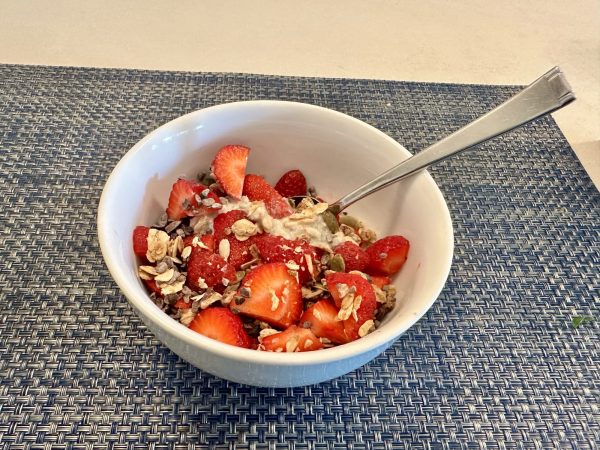
- Greek yogurt + berries + ground flax + pumpkin seeds
Lunch
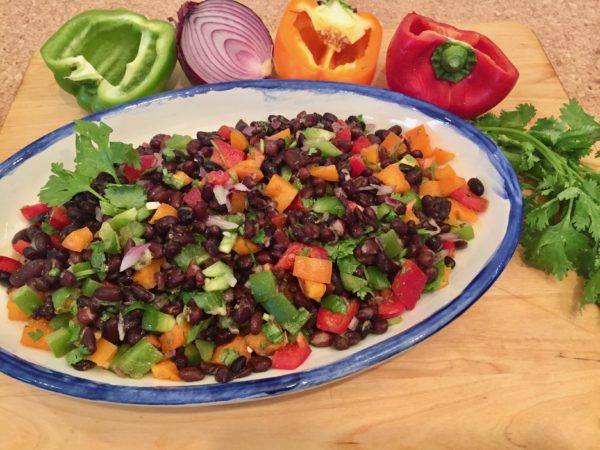
- Colorful bean salad + chicken or fish
- Grain bowl with quinoa + roasted vegetables + chickpeas
- Leftover vegetables added to a protein-rich wrap or bowl
Dinner
- Salmon + roasted broccoli + sweet potato
- Chicken + Moroccan rice + leafy green salad
- Bean-loaded chili opped with avocado + onions + tomatoe + cilantro

Snack
- Apple + nut butter
- Carrots or bell peppers + hummus
- Berries + nuts
- Pear + cheese
Notice the pattern?
Protein + plants + nourishing fats gives your brain and body much more to work with.
Your October Micro Shift: Count Plants, Not Calories
For one week, don’t worry about counting calories.
Instead, notice how many different plant foods you eat.
Skip restrictive diets.
Just add more variety.
One More Important Piece: Go Gradually
If your current diet is relatively low in fiber, suddenly adding large amounts of beans, lentils, vegetables, whole grains, and seeds can leave you feeling more bloated or uncomfortable.
Give your gut time to adjust.
Increase fiber gradually and drink plenty of water throughout the day.
The Brain Health Lifestyle Takeaway
Fiber is an opportunity to nourish your gut, support your brain, and bring more nutrient density to your everyday meals.
So the next time you reach for a carbohydrate, ask yourself:
Can I get this carb from a plant?
More plants. More variety. More nourishment.
That’s a simple place to begin feeling and functioning at your best.
🌿 Color My Food | Brain Health Lifestyle
I help women and families support their brain health to feel and function at their best.
Sharper mind. Calmer body. Happier inside and out.