Posts

Green and White Coleslaw

This simple, versatile cruciferous vegetable slaw is more than just a salad—it’s a brain-nourishing, anti-inflammatory bowl of resilience. Packed with fiber, phytonutrients, healthy fats, and detox-supporting compounds, it makes a perfect side dish or the foundation for a complete meal.

Color My Food Basic Dressing 

Cranberry Orange Sauce

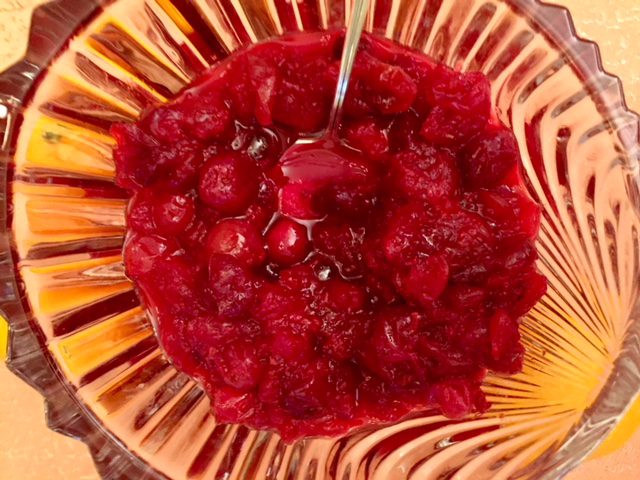
More than of recipe, this is a launching point for cranberry sauce.

And not just for Thanksgiving.  In the Good Mood Red Foods category, cranberries are rich in flavonoids which can help improve memory and brain function.

This sauce can be used so  many ways. Here are a couple of ideas:

  • Add to a bowl of oatmeal — or quinoa porridge mhhmmm so seasonally delicious
  • Mix into plain Greek yogurt with granola for breakfast or dessert
  • Top pancakes or waffles as an alternate to syrup.
  • Mix into Greek yogurt or cream cheese and make pancake (waffle or muffin) “sammies” (sanwiches) for breakfast on the go or an afternoon snack.
  • Use it on crostini or crackers for an appetizer: spread soft goat cheese (or cream cheese), top with cranberry orange sauce and chopped chives or green onion.

Variations:

  • Rather than orange zest, use lemon or lime zest
  • And add 1 – 2 tablespoon minced fresh ginger

Spinach Citrus Salad

In our garden in Cochabamba lives a wonderfully enthusiastic orange tree. It produces truly an astonishing amount of fruit; we’ll harvest 200+ oranges and the tree looks still fully loaded.
The garden is also home to a grapefruit tree, more modest in its output.
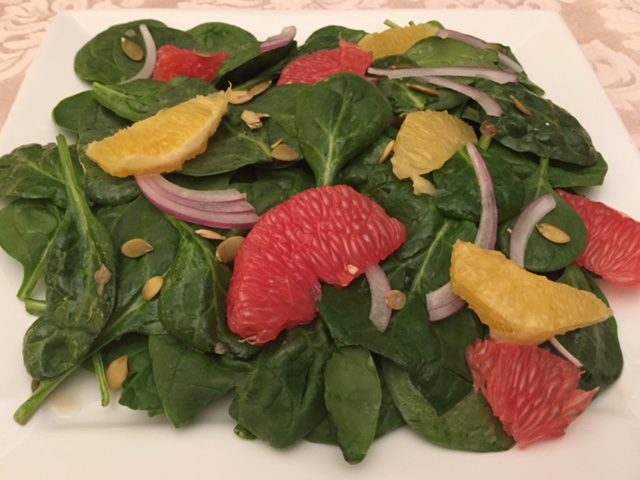
With such abundance, orange and grapefruit ended up in this pretty and delicious combination.

Variations:

  • Use only orange or only grapefruit
  • Use orange and beet (roasted or steamed) slices (cut into similar shape as orange segments
  • Use peach or nectarine in place of citrus
  • Add toasted pumpkin seeds, sunflower seeds or slivered almonds

Salmon with Orange and Black Olive Salsa

Maybe it is living in the US southwest, maybe it is summer heat, but somewhere along the way, I’ve developed a keen taste for fresh salsa not as a condiment for Mexican foods, but as a zesty way to dress up grilled and roasted fish fillets. Or chicken and pork tenderloin.

In this case, salmon.

Juicy orange, kalamata olives and garden-fresh basil join together in flavorful harmony enhancing the pleasure of every bite atop grilled salmon. No grill? No problem, simply roast the salmon fillet in the oven.

I like to serve this with CMF Rice or CMF Quinoa with the crunch of toasted pecans.

I’ve even served it with Quinoa Tabbouleh for a colorful summertime dinner. Add a spinach salad with sliced red bell peppers or grated carrots and toasted sunflowers seeds and dinner is a visual and tasty delight.

For dessert, Epicurious: Plum Kuchen

Variations:

  • Cilantro or parsley instead of basil
  • With or without olives
  • Green onion instead of red onion

Sweet Potato and Russet Potato Salad with Greens and Bacon

Nutrient-Dense Brain-Boosting Summer Salad

Sweet potatoes, native to North America, are a nutrient-dense superfood loaded with vitamins, minerals, and brain-essential phytochemicals that nourish your body, support cognitive health, and help balance hormones.

This vibrant potato salad combines sweet potatoes, russet potatoes, kale, green onion, and pasture-raised bacon to create a delicious, nutrient-packed dish perfect for fueling your brain and body. Prioritizing nutrient density—micronutrients, fiber, and healthy fats—is a cornerstone of a sustainable brain health lifestyle.

Why This Recipe Works:

✔️ Quality fats from pasture-raised bacon and olive oil support hormone balance and provide brain-building blocks.
✔️ Kale and green onion offer powerful support for detoxification and digestion.
✔️ Classic comfort-food flavors are elevated to promote long-lasting brain health and energy.

Serving Tips:

For vegetarians, simply skip the bacon or mix it into half the salad—or serve it on the side to accommodate all guests.

For an eye-catching, nutrient-rich presentation, serve the salad layered over shredded kale, tossing the dressing with the kale beforehand to boost flavor, fiber, and antioxidant benefits.

A Note on Bacon:

While bacon isn’t brain food, special occasions call for special treats. Use sustainably sourced, pasture-raised bacon from regenerative farms whenever possible. This choice supports your brain and body health, and it’s better for the planet too.

Spinach and Orange Salad with Black Olives

There’s alchemy between oranges and black olive that is delightful.

I like to make this salad with dishes I associate with Spain such as the Roasted Cod with Red Bell Pepper and Tomato Sauce or Seafood Paella with Edamame.

Toss salad with CMF Basic Salad Dressing

Variations:

  • Instead of spinach, use mixed greens or baby kale
  • Instead of green onion, use 1/4 finely sliced red onion
  • Try this salad without the greens, slicing the onion in rounds, red onion in rounds and slivers of black olive sprinkled over them

Crimson Coleslaw

Visually delightful with its vibrant hues, this salad is super-charged with healthy benefits.

Cabbage is one of the most nutrient-dense foods that can boost our immune system and protect us from disease.

Although green cabbage is most common, red cabbage has added nutritional benefits. The rich red color of red cabbage providing unique antioxidant and anti-inflammatory properties.

Beets also have exceptional nutritional powers.

[su_expanding_quote_web alignment=”full” source_site=”World’s Healthiest Foods: Beets” source_url=”www.websitename.com” full_quote=”Beets contain powerful nutrient compounds that help protect against heart disease, birth defects and certain cancers, especially colon cancer.” short_quote=”Beets help protect against heart disease, birth defects and certain cancers”]

Variations:

  •  Add 1/3 cup chopped parsley or cilantro
  •  Add 1 cup grated carrots
  • Add thinly sliced fennel bulb
  • To change up the dressing, add 1 – 2 tablespoons plain Greek yogurt to balsamic vinaigrette

Improve Health by Reducing Chronic Inflammation

Inflammation is part of  our body’s natural defense system; it can help protect our bodies and heal.

But chronic inflammation causes disease. When our bodies are constantly bombarded with processed food and sugar, too much animal products, stress and no exercise, our immune system shifts out of balance and an unseen inflammation rages in our cells and tissues.

[su_expanding_quote_book source_author=”Mark Hyman, MD” source_title=”The Blood Sugar Solution” full_quote=”We are seeing an epidemic of inflammatory diseases.  In fact nearly every modern disease — everything from autoimmune diseases, heart disease, and cancer to obesity, diabetes, and dementia — is caused by inflammation! These chronic diseases affect 125 million Americans. That means in the average family of three, at least one person has a chronic disease caused by inflammation.” short_quote=”Nearly every modern disease — from autoimmune diseases, heart disease, and cancer to obesity, diabetes, and dementia — is caused by inflammation.”]

The Standard American Diet – processed foods, trans fats, sugar, minimal fresh produce – creates inflammation. Too many sugary foods and white flour.

Changing what we eat can reduce inflammation in our bodies which reduces disease risks. Add exercise and stress management, and we can feel and even look better.

[su_expanding_quote_book source_author=”Mark Hyman, MD” source_title=”Blood Sugar Solution” full_quote=”Sugar causes pre-diabetes and diabetes, which often lead to significant memory loss. In fact, Alzheimer’s is now being called type 3 diabetes. So, get rid of sugar and flour products.” short_quote=”Sugar causes pre-diabetes and diabetes, which often lead to significant “]

So what to do?

Eliminating, or reducing to a minimum, processed sugar and white flour can improve memory and reduce risk of diabetes and other diseases.

I choose to eat a plant-based whole foods diet, not a vegetarian diet but one high in plant foods (vegetables, fruits, beans, whole grains, nuts) supplemented by animal products as nature intended (grass-fed, hormone free, humanely raised). My guidelines are:

  1. Reduce processed and fast food as much as possible. There are times for indulgence, birthday parties certainly or occasional treats. But these are exceptions not the norm. The key to success here is planning ahead to avoid that I’m-too-hungry-to-eat-healthy drive through the fast food lane.
  1. Replace those processed foods with real food. Fruits and vegetables with the highest antioxidant levels seem to reduce inflammation the most.
[su_expanding_quote_web alignment=”right” source_site=”Nutrition Facts” source_url=”http://nutritionfacts.org/topics/inflammation” full_quote=”Specific plant foods identified as being anti-inflammatory include apples; black pepper; broccoli; broccoli sprouts; Ceylon cinnamon; cilantro; citrus fruits; ginger; cloves; rosemary; chamomile; dragon’s blood; dried apples and dried plums; berries; crimini, oyster, maitake, and white button mushrooms; nutritional yeast,  flaxseed oil or flaxseed; green leafy vegetables; turmeric, which may help reduce the risk of Alzheimer’s disease, treat knee osteoarthritis and rheumatoid arthritis, and reduce post-surgical pain; tomato juice, legumes, purple potatoes, nuts in general.” short_quote=”Specific plant foods identified as being anti-inflammatory include apples; black pepper; broccoli”]
  1. Reduce consumption of animal products. And pay attention to their origin. I opt for grass-fed, hormone-free meats, dairy and eggs. These are more expensive but become affordable by consuming less of them. I alternate “normal” days and vegetarian days. And rather than a full portion of steak, chicken breast or pork tenderloin, I use meat as an additional ingredient along vegetables and whole grains.
  1. Change of oils; “vegetable” oils are highly processed and even carcinogenic. I rely mostly on extra-virgin olive oil and when I can find it, I use avocado oil for cooking. Trusting Dr. Andrew Weil, I sometimes use expeller-pressed canola oil. Yes, I use butter but it is in moderation, and sometimes I use unrefined virgin coconut oil for pancakes, waffles and baking.
  1. Bring in the spices. Ginger, tumeric, cloves, cinnamon and rosemary have anti-inflammatory properties. I add them liberally into most of the food I make.

Meal planning and regularly making real food choices can decrease inflammation and improve our health. By incorporating regular exercise and reducing stress (through prayer, meditations, reading… whatever works best for each of us)  on a consistent basis we can eliminate chronic inflammation from our bodies to feel and look better!


For more empowerment

Nutrition Facts: Inflammation

Inflammation: How to Cool the Fire Inside You That’s Making You Fat and Diseased

Mind Body Green: 8 Strategies to Reduce Chronic Inflammation

Dr. Mark Hyman: We’re Not Going to Take it Anymore

Nutrition Facts: The Top Four Anti- Inflammatory Spices


Steamed Broccoli with Avocado and Sesame Seeds

Broccoli belongs to the cruciferous vegetable family. Named for their flowers, which have four equally spaced petals in the shape of a cross (Latin word crucifer means “cross-bearer”) these vegetables include kale, cabbage, collards and broccoli, cauliflower and turnips. I try to incorporate at least one cruciferous vegetable into our meals regularly.

[su_expanding_quote_book alignment=”right” source_author=”Joel Fuhrman, M.D. ” source_title=”Super Immunity” full_quote=”Cruciferous vegetables are twice as powerful as other plant foods. They have anti-inflammatory, antioxidant and anti-cancer benefits. Studies show that they detoxify and/or remove carcinogenic compounds. A 20% increase in cruciferous vegetables intake corresponds to a 40% decrease in cancer rates. ” short_quote=”Cruciferous vegetables are twice as powerful as other plant foods.”]

Lemony Arugula Pesto

This pesto is especially delicious drizzled on roasted fish fillets or grilled chicken breasts.

Other ways to use it:

  • Toss with whole-grain pasta and white beans, add chopped roasted red bell peppers or sun-dried tomatoes and voila! dinner is ready.
  • Spread on bread in place of mayonnaise for sandwiches
  • Put on on toast or a rice cake for an afternoon snack
  • Spread on baguette slices or crostini (toasted baguette slices) for appetizers; add a half a cherry tomato or sliver or roasted bell pepper for a decorative touch
  • Use as a dip for pita chips and/or crudites (carrots sticks, celery, or other vegetable sticks)

Arugula is part of the cruciferous family, high on the list of super immunity foods.

Health Benefits of Arugula

Recipes

Green and White Coleslaw

This simple, versatile cruciferous vegetable slaw is more than just a salad—it’s a brain-nourishing, anti-inflammatory bowl of resilience. Packed with fiber, phytonutrients, healthy fats, and detox-supporting compounds, it makes a perfect side dish or the foundation for a complete meal.

Color My Food Basic Dressing 

Cranberry Orange Sauce

More than of recipe, this is a launching point for cranberry sauce.

And not just for Thanksgiving.  In the Good Mood Red Foods category, cranberries are rich in flavonoids which can help improve memory and brain function.

This sauce can be used so  many ways. Here are a couple of ideas:

  • Add to a bowl of oatmeal — or quinoa porridge mhhmmm so seasonally delicious
  • Mix into plain Greek yogurt with granola for breakfast or dessert
  • Top pancakes or waffles as an alternate to syrup.
  • Mix into Greek yogurt or cream cheese and make pancake (waffle or muffin) “sammies” (sanwiches) for breakfast on the go or an afternoon snack.
  • Use it on crostini or crackers for an appetizer: spread soft goat cheese (or cream cheese), top with cranberry orange sauce and chopped chives or green onion.

Variations:

  • Rather than orange zest, use lemon or lime zest
  • And add 1 – 2 tablespoon minced fresh ginger

Spinach Citrus Salad

In our garden in Cochabamba lives a wonderfully enthusiastic orange tree. It produces truly an astonishing amount of fruit; we’ll harvest 200+ oranges and the tree looks still fully loaded.
The garden is also home to a grapefruit tree, more modest in its output.
With such abundance, orange and grapefruit ended up in this pretty and delicious combination.

Variations:

  • Use only orange or only grapefruit
  • Use orange and beet (roasted or steamed) slices (cut into similar shape as orange segments
  • Use peach or nectarine in place of citrus
  • Add toasted pumpkin seeds, sunflower seeds or slivered almonds

Salmon with Orange and Black Olive Salsa

Maybe it is living in the US southwest, maybe it is summer heat, but somewhere along the way, I’ve developed a keen taste for fresh salsa not as a condiment for Mexican foods, but as a zesty way to dress up grilled and roasted fish fillets. Or chicken and pork tenderloin.

In this case, salmon.

Juicy orange, kalamata olives and garden-fresh basil join together in flavorful harmony enhancing the pleasure of every bite atop grilled salmon. No grill? No problem, simply roast the salmon fillet in the oven.

I like to serve this with CMF Rice or CMF Quinoa with the crunch of toasted pecans.

I’ve even served it with Quinoa Tabbouleh for a colorful summertime dinner. Add a spinach salad with sliced red bell peppers or grated carrots and toasted sunflowers seeds and dinner is a visual and tasty delight.

For dessert, Epicurious: Plum Kuchen

Variations:

  • Cilantro or parsley instead of basil
  • With or without olives
  • Green onion instead of red onion

Sweet Potato and Russet Potato Salad with Greens and Bacon

Nutrient-Dense Brain-Boosting Summer Salad

Sweet potatoes, native to North America, are a nutrient-dense superfood loaded with vitamins, minerals, and brain-essential phytochemicals that nourish your body, support cognitive health, and help balance hormones.

This vibrant potato salad combines sweet potatoes, russet potatoes, kale, green onion, and pasture-raised bacon to create a delicious, nutrient-packed dish perfect for fueling your brain and body. Prioritizing nutrient density—micronutrients, fiber, and healthy fats—is a cornerstone of a sustainable brain health lifestyle.

Why This Recipe Works:

✔️ Quality fats from pasture-raised bacon and olive oil support hormone balance and provide brain-building blocks.
✔️ Kale and green onion offer powerful support for detoxification and digestion.
✔️ Classic comfort-food flavors are elevated to promote long-lasting brain health and energy.

Serving Tips:

For vegetarians, simply skip the bacon or mix it into half the salad—or serve it on the side to accommodate all guests.

For an eye-catching, nutrient-rich presentation, serve the salad layered over shredded kale, tossing the dressing with the kale beforehand to boost flavor, fiber, and antioxidant benefits.

A Note on Bacon:

While bacon isn’t brain food, special occasions call for special treats. Use sustainably sourced, pasture-raised bacon from regenerative farms whenever possible. This choice supports your brain and body health, and it’s better for the planet too.

Spinach and Orange Salad with Black Olives

There’s alchemy between oranges and black olive that is delightful.

I like to make this salad with dishes I associate with Spain such as the Roasted Cod with Red Bell Pepper and Tomato Sauce or Seafood Paella with Edamame.

Toss salad with CMF Basic Salad Dressing

Variations:

  • Instead of spinach, use mixed greens or baby kale
  • Instead of green onion, use 1/4 finely sliced red onion
  • Try this salad without the greens, slicing the onion in rounds, red onion in rounds and slivers of black olive sprinkled over them

Crimson Coleslaw

Visually delightful with its vibrant hues, this salad is super-charged with healthy benefits.

Cabbage is one of the most nutrient-dense foods that can boost our immune system and protect us from disease.

Although green cabbage is most common, red cabbage has added nutritional benefits. The rich red color of red cabbage providing unique antioxidant and anti-inflammatory properties.

Beets also have exceptional nutritional powers.

[su_expanding_quote_web alignment=”full” source_site=”World’s Healthiest Foods: Beets” source_url=”www.websitename.com” full_quote=”Beets contain powerful nutrient compounds that help protect against heart disease, birth defects and certain cancers, especially colon cancer.” short_quote=”Beets help protect against heart disease, birth defects and certain cancers”]

Variations:

  •  Add 1/3 cup chopped parsley or cilantro
  •  Add 1 cup grated carrots
  • Add thinly sliced fennel bulb
  • To change up the dressing, add 1 – 2 tablespoons plain Greek yogurt to balsamic vinaigrette

Steamed Broccoli with Avocado and Sesame Seeds

Broccoli belongs to the cruciferous vegetable family. Named for their flowers, which have four equally spaced petals in the shape of a cross (Latin word crucifer means “cross-bearer”) these vegetables include kale, cabbage, collards and broccoli, cauliflower and turnips. I try to incorporate at least one cruciferous vegetable into our meals regularly.

[su_expanding_quote_book alignment=”right” source_author=”Joel Fuhrman, M.D. ” source_title=”Super Immunity” full_quote=”Cruciferous vegetables are twice as powerful as other plant foods. They have anti-inflammatory, antioxidant and anti-cancer benefits. Studies show that they detoxify and/or remove carcinogenic compounds. A 20% increase in cruciferous vegetables intake corresponds to a 40% decrease in cancer rates. ” short_quote=”Cruciferous vegetables are twice as powerful as other plant foods.”]

Lemony Arugula Pesto

This pesto is especially delicious drizzled on roasted fish fillets or grilled chicken breasts.

Other ways to use it:

  • Toss with whole-grain pasta and white beans, add chopped roasted red bell peppers or sun-dried tomatoes and voila! dinner is ready.
  • Spread on bread in place of mayonnaise for sandwiches
  • Put on on toast or a rice cake for an afternoon snack
  • Spread on baguette slices or crostini (toasted baguette slices) for appetizers; add a half a cherry tomato or sliver or roasted bell pepper for a decorative touch
  • Use as a dip for pita chips and/or crudites (carrots sticks, celery, or other vegetable sticks)

Arugula is part of the cruciferous family, high on the list of super immunity foods.

Health Benefits of Arugula