Posts

4 Detox Habits That Boost Energy and Focus

Many of us don’t realize that everyday symptoms — low energy, bloating, brain fog, irritability, skin changes, blood sugar swings, and perimenopause discomforts — can be signs of overloaded detox pathways.

Your body detoxifies 24/7. But stress, poor sleep, processed foods, alcohol, and hormonal shifts can slow these systems down. When detox pathways are overwhelmed, toxins stay in circulation longer, contributing to inflammation, mood changes, digestive issues, and long-term cognitive decline.

The good news: you can support detoxification naturally with simple daily habits. These small shifts strengthen your digestion, support hormone balance, and help protect your brain.

Here are four nourishing, brain-friendly detox habits to start today.

1. Hydrate + Flush: Start Your Morning with a Detox Tea

Hydration is foundational for detoxification and mental clarity. A morning detox tea gently wakes up digestion, supports blood flow, and calms inflammation.

Two simple options:

a) Make a Morning Detox Tea
Lemon Tumeric Tea – Nourish Move Love

Anti-inflammatory herbs like ginger, turmeric, cinnamon, and cayenne support clearer thinking and a calmer nervous system.

Apple Cider Detox Tea – Tasteaholics

ACV (apple cider vinegar) contains probiotics and enzymes that help stabilize blood sugar, support healthy digestion, and improve skin.

Make a Pitcher of Infused Water for 

b) Keep it simple — 8 oz glass filtered water + 1 tablespoon apple cider vinegar (or lemon juice)

2. Make a Pitcher of Infused Water for All-Day Detox Support

Infused water makes hydration enjoyable and helps reduce cravings for sodas or diet drinks.

Add to a large pitcher:

  • Cucumber slices
  • Lemon, lime, or grapefruit
  • Fresh mint
  • Herbs or berries

Why it helps:
Better hydration improves digestion, boosts energy, supports lymph flow, and enhances mental focus.

3. Dry Brush to Activate Your Lymphatic System

Your lymphatic system acts like your body’s drainage system — and it needs physical stimulation to move waste out of tissues.

Dry brushing helps:

  • increase circulation
  • stimulate lymphatic flow
  • exfoliate the skin
  • support immune resilience

How to dry brush:

  1. Use a natural bristle brush.
  2. Start at your feet and brush upward toward your heart.
  3. Sweep over legs, arms, abdomen, and back.
  4. Brush 5–10 strokes per area.

Brain Benefit:
Better lymph flow reduces inflammation, supporting clearer thinking and a calmer nervous system.

  1. End the Day with an Epsom Salt Bath

Magnesium is essential for detoxification, stress regulation, and cognitive health — especially during perimenopause and menopause.

4. Epsom salt (magnesium sulfate) baths help:

  • reduce stress
  • relax tight muscles
  • support liver detox pathways
  • improve sleep
  • lower inflammation

Add 1–2 cups to a warm bath and soak for 15–20 minutes.

Brain Benefit:
Magnesium supports neurotransmitters that regulate mood, sleep, and relaxation.

Start with One Habit

You don’t need extreme detoxes or cleanses.

Start with one daily habit. Keep it simple. Be consistent. Be kind to you. 🤗

Your energy, focus, hormones, and digestion will follow — and your brain will thank you. 🧠 💖

For More Empowerment

Detox Made Safe and Simple – Dr. Mark Hyman

Apple Cider Benefits and Uses – Dr. Axe

10 Holistic Treatments for Your Lymph – Chalkboard

10 Detox Bath Recipes – Dr. Axe

Updated from January 2022 blogpost

Clear the Fog: Support Your Liver

Did you know that a sluggish liver could be a major culprit behind brain fog?

Supporting your liver’s detoxification process can improve brain function and help clear the mental fog many women experience during perimenopause and menopause.
Detoxification is your body’s natural process of self-healing and repair — an ongoing internal cleansing system that has existed for thousands of years. Ancient practices like fasting, saunas, herbs, water, rest, and exercise all supported these natural detox processes. But in today’s world, we’ve forgotten many of these essential methods.

Let’s focus on one of the most powerful ways to clear brain fog: supporting liver detoxification.

The Liver’s Role in Detoxification

Your liver is the body’s master detoxifier. It filters toxins from the blood and neutralizes them for elimination. Whether it’s environmental toxins, pesticides, poorly digested food, or pharmaceutical waste, your liver’s job is to safely remove these harmful substances.

But when the liver becomes overburdened, it can’t keep up with its detox duties, leading to a buildup of toxins. This can affect brain function, mood, and overall well-being, contributing to the brain fog many women face.

How Detoxification Helps

Detoxification is more than just a physical cleanse. It’s a holistic process that can improve your mind, body, and spirit. When your body is free of toxins, you may experience:

💪 Physical vibrancy: Increased energy and better overall health
❤️ Emotional balance: Release of hidden stress, leading to feelings of calm and joy
🌟 Mental clarity: A clearer mind and restored focus.

How to Support Liver Detoxification and Clear the Fog

Enjoy a Nutrient-Dense Lifestyle

Both macro and micronutrients play key roles in detoxification. Processed foods can be nutrient-deficient and act as toxins in the body, so focus on whole, nutrient-dense foods to support your liver and overall detox process.

Eat Liver-Supporting Foods – Incorporate foods that help your liver detoxify and clear excess estrogen, which can contribute to brain fog:

🥦 Cruciferous vegetables like broccoli, cauliflower, and kale
🧄 Onion and garlic
🍠 Beets and other brightly colored vegetables
🥣 Probiotic foods like kefir, sauerkraut and kimchi
🍵 Herbal teas such as dandelion root, milk thistle, and turmeric are fantastic liver boosters

Eat on a Regular Schedule

Give your liver time to rest by sticking to a regular eating schedule. Skip grazing throughout the day. Aim to stop eating when you’re about 80% full. Eat your last meal 2 hours before bedtime allows your liver to focus on detoxing and repairing while you sleep.

Incorporate Dry Brushing and Epsom Salt Baths

Dry brushing stimulates the lymphatic system and promotes toxin elimination through the skin. Epsom salt baths also draw out toxins while providing a magnesium boost and a soothing, relaxing experience for the body.

Try Supportive Therapies like Sauna, Massage, and Bouncing

Therapies like sauna use, massage, and even bouncing (on a rebounder or with jump rope) help promote toxin release. Saunas encourage sweating, while massage enhances circulation and toxin removal. Bouncing supports the lymphatic system, which is key for detoxification.

Menopause? Supporting your liver is crucially important—and here’s why.

As you transition through perimenopause and menopause, your body undergoes significant hormonal fluctuations. One of the most important organs in managing this change is your liver. It plays a vital role in detoxifying excess hormones, particularly estrogen. When your liver is functioning optimally, it helps to break down and eliminate these excess hormones, preventing them from accumulating and causing symptoms like weight gain, brain fog, irritability, hot flashes, and insomnia.

A sluggish or overwhelmed liver can make these symptoms worse, leaving you feeling drained and not feeling like yourself. By supporting your liver, you can smooth your menopause experience, better balance your hormones, improve your energy, and helping to clear that mental fog.

Want to know more about a smoother menopause transition? Respond in the comments; I will send you a link to download a handout Smooth Sailing through Perimenopause: Simple Habits to Start Today 

Final Thoughts

Supporting your liver’s detoxification process is a powerful step toward clearing the fog and feeling like yourself again. By incorporating

🍽️ liver-supportive foods
✨ mindful eating habits
🛀🏼 detoxifying practices

into your routine, you can boost your brain function and overall well-being during perimenopause and menopause.

Remember, detoxification isn’t just about physical health—it’s about emotional and mental well-being too. By clearing toxins, you make space for more clarity, joy, and balance.

Ready to clear the fog and restore your vitality? Your brain (and your body) will thank you!

Note: This information is for educational purposes only and does not replace professional medical advice.

For more Empowerment

12 Yummy Ways to Use Kale – #PinchofYum

Just Beat It –  Delicious recipes in ways you’d never imagine enjoying beets + incredible beet into

13 Prebiotic Foods – Traditional Cooking School

4 Ways to Detox – Color My Food

Support Your Brain and Detox this Holiday

The holiday season is a time of joy, celebration, and—let’s be honest—indulgence. Festive treats and cocktails add to the cheer, but also strain on your body’s detoxification systems. This can leave you feeling bloated, sluggish and mentally foggy.

When your liver, kidneys, and digestive system are overwhelmed, your brain often bears the brun. Hello brain fog, reduced focus, and mood swings.

Supporting your body’s natural detoxification processes is key to maintaining cognitive function and mental clarity throughout the holidays. Simple daily habits can support both your brain health and your body’s detox pathways without sacrificing holiday fun.

Why Detoxification Matters for Brain Health

Your body’s detox systems, especially the liver, work to eliminate excess sugar, alcohol, and processed foods that can impair cognitive function. When these systems become overloaded, toxins can build up, affecting your brain in several ways:

  • Sugar overload increases inflammation in the brain, which impairs memory, concentration, and mood.
  • Alcohol is a neurotoxin that can disrupt neurotransmitter function, leading to brain fog and short-term memory issues.
  • Gut imbalances caused by poor food choices can influence the gut-brain axis, exacerbating cognitive dysfunction and mood imbalances.
  • Supporting your body’s detox processes not only clears physical toxins but also reduces brain inflammation, improves focus, and enhances overall cognitive performance. Here are three practical tips to support detoxification and brain health during the holidays.

What to do?

1. Start Your Day with Lemon Water and stay Hydrated for Brain Clarity

Your brain is highly sensitive to dehydration. This can impair cognitive function, leading to confusion, poor concentration, and fatigue. Many holiday drinks, from sugary beverages to alcoholic cocktails, dehydrate rather than hydrate.

Starting each day with a glass of water infused with freshly squeezed lemon. Lemon water helps rehydrate your body after a night’s sleep. And it stimulates liver detoxification. The vitamin C in lemon supports antioxidant production, protecting brain cells from oxidative stress, which can impair cognitive function. It’s a small but powerful way to support both detox and mental clarity. Keep a pitcher with citrus fruit or other seasonal fruits to stay hydrated.

2. Eat a Fiber-Rich Diet to Clear Brain Fog and Support Digestion

A holiday diet rich in sugar and processed foods can disrupt digestion, leading to constipation, bloating, and poor gut health—all of which can impact brain function. Research shows that the gut microbiome plays a crucial role in mood regulation and cognitive clarity. When your gut is in balance, your brain functions better.

To support both brain health and detoxification, focus on a fiber-rich diet. Fiber helps eliminate toxins from the body through regular bowel movements, reducing the burden on your liver and kidneys. Include plenty of leafy greens, cruciferous vegetables (such as broccoli and Brussels sprouts), berries, and flaxseeds in your meals. These foods not only support digestion but also promote a healthy gut microbiome, which is vital for brain health.

For optimal brain function, pair fiber with healthy fats (like omega-3s from chia seeds, flaxseeds, and walnuts) and lean proteins (from fish, poultry, or plant-based sources) to stabilize blood sugar and prevent the energy crashes that can lead to brain fog.

3. Support Liver Detox with Brain-Boosting Foods and Herbs

The liver is your body’s primary detox organ, and it plays a key role in clearing out the toxins from excess sugar, alcohol, and environmental pollutants that affect your brain. To keep your liver functioning optimally and support mental clarity, focus on foods that aid both detoxification and brain health.

  • Beets are rich in antioxidants and help the liver detoxify more efficiently while improving blood flow to the brain. Enjoy them roasted, steamed, shredded raw in salads or smoothies for an easy boost.
  • Garlic contains sulfur compounds that activate liver enzymes, while also offering neuroprotective benefits by reducing brain inflammation.
  • Cilantro contains compounds that may help support liver fucntion in processing and eliminating toxins, and can help  stimulate bile production, which aids in this process. It’s rich in antioxidants and has anti-inflammatory effects, which can help reduce oxidative stress and inflammation that may occur when your body is detoxifying.
  • Turmeric contains curcumin, a potent anti-inflammatory compound that supports both liver health and cognitive function. It helps reduce brain inflammation and improves mood and mental clarity.
  • Milk thistle is another herb that supports liver detox and promotes cognitive health by reducing oxidative stress in the brain. Look for it as an herbal tea.

The holidays don’t have to come at the expense of your brain health. Staying hydrated and incorporating these foods into your meals will support detoxification and enhance mental focus, helping you stay sharp throughout the holidays.

By supporting your body’s natural detox systems with small, intentional habits, you can maintain mental clarity, focus, and energy without feeling sluggish or overwhelmed.

Wishing you a joyful, mentally clear, and detox-friendly holiday season!

Tips and Recipes

4 Ways to Detox

6 Delicious Beet Recipes

4 Detox Salads

5 Good Mood Red Cabbage Recipes


4 Detox Salads

Your body is constantly detoxifying — literally taking out the toxins. The problem is that it is often overwhelmed by inflammatory foods.

By eating more of these salads more regularly, you displace inflammatory foods on your plate and in your diet. Loaded with nutrients to help remove toxins and waste, these salads will aid your digestion and elimination.

General guidelines for a nutrient dense salad that supports your body’s natural detoxifying processes:

  • Shred a whole cabbage (or broccoli or Brussels sprouts) in the food processor. (Or buy it already shredded).
  • You can mix with leafy greens — lettuce, spinach or arugula — especially if these nutrient dense salads are new for you
  • Make it a complete meal adding hummus, canned salmon or sardines, or other proteins and fats (avocado, nuts, seeds). You need good fats to absorb essential vitamins A, D, E and K, and to obtain essential fatty acids necessary for building cells, hormones and fueling your heart and brain. You need the protein as building blocks for your tissues, enzymes, antibodies, as well as insulin and glucagon that regulate your blood sugar.
  • Or make it part of dinner alongside meatloaf, chicken or other protein side dish
  • BONUS – Use what you need for the salad. Save the remainder to use as a base for a grain bowl or stir fry. Make a lunch wrap with hummus or guacamole. Add it to soup.

One of my superpowers is crazy delicious, nutritious salads.

My kryptonite is that I can’t seem to write down the combinations and concoctions that come out of my kitchen every day.

So here are 4 recipes to use as building blocks for 2023. Rich in nutrients – vitamins, minerals, phytochemicals oh my! – you will also improve your immune system.

Use them as building blocks for meal planning throughout the year. As a start, pick one of these salads to make each week for the next four weeks.

CAVEAT! – Every body is unique. A mega dose of salad may not be best for everyone. If you have gut health issues all these raw veggies may be too much for your system. This is where mindful eating and a Food and Mood Diary come in. Eat a small serving. Pay attention to what you eat and how you feel. For at least 5 – 7 days write down what you ate and how your body feels.

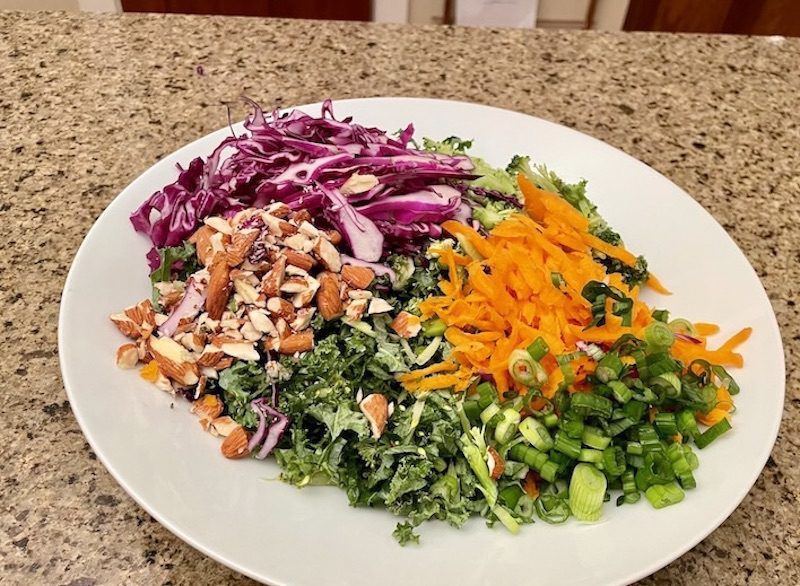
Seriously Delicious Detox Salad Gimme Some Oven

Variations

  • Use dark leafy greens (spinach, arugula, red leaf lettuce) instead of kale
  • Shredded beets or apple instead of carrots
  • Other nuts instead of almonds

Rainbow Power Greens Black-Eye Peas SaladCotter Crunch
This salad is similar to the previous one. I share this one

  • because of the collard greens – so important to expand beyond eating the same greens ones over and over. Each one has different nutrients though they may look the same
  • for the combination of beans and quinoa, an easy and powerful way to boost nutrient-density!

Variations

  • Add green onion or some finely sliced or chopped red onion; the synergy of greens and onions boosts your immune system
  • Use other dark leafy greens instead of collard greens – Swiss chard or kale
  • Switch out black-eyed peas for other beans (black beans, cannellini beans, even lentils)
  • Use other grains (brown rice, barley, faro)
  • Add herbs – parsley, cilantro are easy options

Kale Detox SaladWell and Full

I share this one for the roasted vegetables and the pesto. Easy to make with leftover roasted vegetables and store bought pesto. You can use any herb to make pesto; cilantro helps remove heavy metals and protects against oxidative stress. Make a double batch of pesto and use it:

  • On roasted fish, on chicken breast
  • On a wrap with roasted veggies, chicken, fish or even steak
  • Mix into goat cheese, for snack with veggies and seed crackers
  • Add to a vinaigrette and make it into a salad dressing

Variations

  • Change out the veggies. I use sweet potatoes rather than fingerling because that’s what I usually have
  • Add additional roasted veggies; I always double up when roasting any vegetable to use in salads or wraps later
  • You can skip the rice unless you have leftovers, or use other leftover grains: quinoa and barley are my favorites

Super Food Detox SaladFit Foodie Finds

Yes, I chopped this by hand. For me cooking can me a mindful meditation practice. It’s a major mind shift to go from cooking being an obligation to considering it a privilege. Far too many people go hungry each day.

I share this salad for its Brussels sprouts. Often people who don’t like cooked Brussels sprouts discover they like them raw.  And sharing for the almonds too. Almost all my salads have nuts or seeds -one of the most nutrient dense food categories – and loaded with vital brain nutrients.

Variations

  • Having highlighted the Brussels sprouts, it seems contradictory so suggest another cruciferous vegetable, but a) they are not always available and b) there are only so many Brussels sprouts salad even the most enthusiast eater can eat – so, switch them out for shredded cauliflower or broccoli
  • Blueberries are a summer food, so in winter use pomegranate or shredded beet
  • Use dried cranberries instead of raisins
  • Any nut instead of almonds (or seeds — pumpkin, sunflower, sesame)

30 Healthy Salads – Dinner at the Zoo

A fabulous collection of delicious, nutritious salads – make one each week and you have 34 weeks of salads.

Let’s make it a delicious, nutritious year!

Which salad will you start with?

Updated from January 2022 post

January is for Detoxifying

January is an opportunity to “reset” for health and habits. December always brings excess sugar and flour, stress and craziness – happy crazy but crazy nonetheless. Smart eating, routines, and exercise go out the window. So how do I reset this first month of the year?

  • From the inside: Detoxify my body and my family through renewed menu planning and cooking.
  • On the outside: Detoxify my kitchen. Remove the candy, cookies, processed treats etc that crept into my pantry from Halloween to December. This “outside” detox, makes possible the inside detox and sets the playing field for healthy eating throughout the year

Detox sounds like a trend. But the human body has a miraculous capacity to detoxify and eliminate waste. The problem is the  explosion of processed and fast foods over the last century AND exposure to environmental pollutants humans never experienced before. “Detox” is a necessary conscious choice to support a natural process.

In a healthy body, the process of detoxification runs smoothly. But we’re exposed to a staggering amount of toxic chemicals in the air, water and our food (pesticides). Add to that, from Halloween in October through New Year’s Day we pile on excessive sugar, white flour (same inflammatory effect as sugar) and stress.

When excessive toxins build up,  our livers get overwhelmed;  toxins remain active longer than our systems can handle. This impedes normal metabolism, causes fluid retention, bloat, and puffiness. As waste builds up, we get fat and sick. Did you know that most environmental chemicals like pesticides and plastics are stored in our fat tissue?

“We are exposed to 6 million pounds of mercury and 2.5 billion pounds of other toxic chemicals each year. Very few have been tested for their long-term impact on human health.” Mark Hyman, 10 Day Sugar Solution

Why Detox?

Nearly every chronic disease is linked to toxicity, including food allergies, and digestive issues, dementia, heart disease, and autoimmune disease.

When our detoxification system becomes overloaded we start developing symptoms and get sick.  It may take years of accumulated toxins and stress to get to that point, but why take the chance of chronic, possibly fatal disease?

So January rings a bell in my head to recommit to a nourishing eating lifestyle. I know from experience that detoxifying makes me feel better, more vibrant, happy and full of energy. Adios fatigue, brain fog, headaches and lethargy!

Let’s reboot! Detox drinking water (half your body weight in ounces of water and with simple, delicious foods.

Foods that help detoxify

Focusing on plant-rich meals, quality protein and fats from nature. These are foods not only detoxify our body but can reignite our metabolism and reduce inflammation.

“70 to 80 percent of all major chronic diseases are lifestyle diseases, so the only way to treat them effectively, and even reverse them, is to change the lifestyles that led to them in the first place. Primarily that’s what we put in our mouth. The number one cause of death in the United States — and the number one cause of disability  — is our diet. Cigarettes now only kill about a half million Americans every year, whereas our diet kills hundreds of thousands more. Food — what we eat three times a day — is killing more Americans than cigarettes. Michael Greger, How to Not Die.

I’ve posted many times about the importance of phytonutrients (natural chemicals in plants to for survive against pests and infection). These phytonutrients can help detoxify our bodies, strengthen our immune system and help us function better. Eating organic food provides higher concentrations of these protective detoxifying, antioxidant, and anti-inflammatory compounds.

So what to eat?

  • Organic green tea in the morning instead of coffee (green tea boosts liver detoxification)
  • Half your body weight  in filtered water a day (for example if you weight 140 lbs, aim for 70 oz of water); prepared herbal detoxification teas are a nice option
  • Avoid white sugar and white flour
  • Eat detoxifying food: 8 to 10 servings of dark leafy greens and colorful produce daily,  (kale, spinach, arugula, Swiss Chard etc), cruciferous vegetables (broccoli, Brussels sprouts and cauliflower), garlic, berries, celery, cilantro and rosemary
  • Eat clean. Focus on organic produce and high-quality animal products to eliminate the toxins, hormones, and antibiotics in our food
  • Add lots of detoxifying and anti-inflammatory herbs and spice like turmeric, cayenne pepper, thyme, rosemary, chili powder, cumin, sage, oregano, onion powder, cinnamon, coriander, cilantro, paprika, and parsley – hello ethnic foods! …curry, chili, tagines…)
  • Fast at least 12 – 14 hours from dinner to the first meal the next day

Food choices help enable important normal detoxification mechanisms. Fasting signals our immune system to discard old cells and waste, shifting our body into a mode of maintenance and repair.

“The body has detoxification mechanisms that are working all the time, both healthful eating and intermittent fasting accelerates those processes. The body enhances the removal of toxins when not digesting food and burning fatter for its energy needs. Our fat supply stores toxins, and when we lose body fat we release more toxic waste simultaneously. The body also needs adequate phytochemical and antioxidants for the liver to most effectively process fat-soluble toxins so they can be excreted via the urine. Fasting stimulates autophagy, an important self-repair process. Autophagy removes damaged components from cells and tissues.” Joel Fuhrman, How To Live

RECIPE SUGGESTIONS

Breakfast

3 Breakfast Smoothies: Antioxidant, Digestive Healer and Energizer

Golden Tumeric Chia Pudding

Overnight Oats for a Gentle Digestive Cleanse

Overnight Date Oats with Berries

Cozy Pumpkin Porridge

Soups

African Coconut Garbanzo Soup

Spicy Kale and Garbanzo Soup

Tumeric Broth Detox Soup

Oh She Glows Green Soup

Chili and Curry 

Red Lentil Curry

Golden Yellow Lentil Dahl

Dinners

Baked Paleo Meatballs with Kale Pesto

Veggie Loaded Tikka Masala

Quinoa Kale Pesto Bowl

Salads

Kale, Apple Salad

Kale and Brussels Sprouts Salad

Probiotic Beet and Red Cabbage

Master Green Detox Salad


For More Empowerment

Dr. Hyman: The Truth about Detoxification

Includes 10 Simple Steps to Enhance Detoxification

Dr. Hyman: 7 Reasons to Detoxify

Dr. Hyman: Ultimate Detoxification Foods

Dr. Axe: Detox Diet

24-Hour Ginger Detox Cleanse Meal Plan

Eating Clean: The 21 Day Plan to Detox, Fight Inflammation and Reset Your Body


Originally posted January 2019

5 Anti-Inflammatory Holiday Soups for Brain & Body

Holidays can be stressful. Sugar, heavy meals, and disrupted sleep often leave you feeling foggy or fatigued. Instead of restrictive detoxes, soups offer gentle nourishment that helps your brain and body recover.

Soups provide:

  • Stable blood sugar → more steady energy

  • Reduced inflammation → clearer thinking and calmer mood

  • Detox support → fiber and phytonutrients help the liver and gut

  • Convenience → meal prep makes eating brain-healthy easy

Moreover, soups allow you to eat more greens, beans, crucifers, and herbs, which are packed with antioxidants and anti-inflammatory compounds.

These soups feature brain-nourishing building blocks:

  • carbs from plants — greens, beans, onions, crucifers, rainbow vegetables & herbs
  • spices with powerful anti-inflammatory compounds

ProTip:
Add spices early (to release beneficial oils through heat + fat).
Add fresh herbs at the end (to preserve color, flavor, and micronutrients).

How to make this habit stick

  • double the batch to enjoy all week

  • freeze in mason jars for quick single servings

  • pair with protein if you need more staying power

🧠 Brain-Nourishing Habit:
Soups make it easier to eat more plants, more colors, more spices — without overthinking.

Winter Detox Moroccan Sweet Potato Lentil Soup –  Little Spice Jar

Flavorprint: cumin, coriander, cinnamon, ginger, turmeric
Benefits: blood sugar balance + detox support + warming spices

This soup is fragrant and nourishing. It’s easy to prepare in a slow cooker or on the stove.

Variations:

  • Swap sweet potato for butternut squash

  • Use canned beans instead of lentils

  • Add ground turkey or beef for extra protein

  • Top with mint and pistachios

Tumeric Broth Detox Soup – Feasting at Home

Flavorprint: turmeric, ginger, garlic, cumin, cinnamon
Brain & body benefits: turmeric + ginger support inflammation pathways connected to mood, memory & immune balance

This bright golden broth is an easy base to personalize throughout the week:

  • add greens + legumes

  • add leftover chicken, rice + spinach

  • add shrimp + rice noodles for a nourishing brain-healthy protein boost

🧠 Brain Health Insight:

Turmeric’s active compound curcumin supports neuroplasticity and antioxidant pathways — which are both impacted by holiday stress and sugar.

Green Goddess SoupGimme Some Oven

Ever since she was a toddler, my daughter would ask for sopa verde (green soup). To this day it’s still one of her favorites.

Flavorprint: triple greens + lemon
Benefits: gut and liver support + anti-inflammatory

Broccoli, spinach, onions, and beans help feed your gut microbiome. Lemon adds flavor and detox support.

Add for texture & nutrient density:

  • sunflower or pumpkin seeds

  • chopped cilantro or parsley

  • lemon zest for extra detox-supportive flavonoids

Roasted Cauliflower Soup – Lemon Blossoms

Flavorprint: roasted cauliflower, garlic, onion, thyme, bay leaf, nutmeg, lemon
Benefits: anti-inflammatory + detoxification + immune support + gut-brain nourishment

I’m obsessed with the creamy, comforting deliciousness of this soup. Cauliflower is a powerhouse cruciferous vegetable that supports detoxification, immune health, and inflammation reduction. It’s rich in antioxidants like vitamin C, beta-carotene, and sulforaphane, helping protect the body from oxidative stress. Its high fiber content promotes healthy digestion and gut function, while the abundance of phytonutrients supports the immune system — keeping you resilient during the busy holiday season.

Health-boosting ingredients in this soup:

  • Garlic: sulfur compounds support detox pathways and reduce inflammation

  • Onion: antioxidants fight oxidative stress and support immunity

  • Bay leaf: aids digestion and supports detoxification

  • Thyme: antimicrobial, rich in antioxidants to reduce inflammation

  • Nutmeg: anti-inflammatory, antioxidant, supports digestion and circulation

  • Lemon: brightens flavor and adds vitamin C for immune support

Together, these ingredients create a flavorful, nutrient-dense powerhouse that’s perfect for nourishing your body and brain during the holidays.

Drizzle with olive oil or a sprinkle of roasted seeds for extra healthy fats and texture. Freeze leftovers in mason jars for an easy grab-and-go brain-healthy meal.

Serving Tip:
Drizzle with olive oil or a sprinkle of roasted seeds for extra healthy fats and texture. Freeze leftovers in mason jars for an easy grab-and-go brain-healthy meal.

Peruvian Seafood Stew with Cilantro Broth – Feasting at Home

Flavorprint: cilantro, garlic, peppers, lime
Brain & body benefits: omega-3s + detox-supportive herbs + protein for steady blood sugar

Shrimp are a source of EPA + DHA essential fatty acids, which support cognitive function and inflammation balance — both especially important during disrupted holiday routines.

Cilantro contains polyphenols and flavonoids that support the body’s natural detox systems and may help reduce oxidative stress. Its bright flavor also lifts mood through sensory pleasure — which is a nutrient!

What’s Your Favorite Brain-Healthy Soup?

Share a recipe link or tag me if you make one — your ideas help others nourish resilience too.

For More Empowerment

25 Foods for Detox: Eat This Not That

The Ultimate Detoxification Foods: Dr. Mark Hyman

Updated – originally posted December 2020 

4 Tips to Minimize Holiday Sugar Overload

Cookies and candy, holiday goodies and cocktails oh my. Sugar is everywhere! How to navigate the sugar overload that will keep coming all the way into the New Year?

Here are 4 tips to minimize monumental weight gain and the health hazards of holiday inflammation.

Drink water

Did you know that water is the #1 nutrition deficiency in the U.S.?

  • Drink water first after waking up. While you are sleeping, millions of processes in your body are hard at work repairing cells, removing toxins, literally cleaning up and moving waste into your eliminations systems (hello large intestine and colon!).  Add 1 tablespoon of lemon juice or apple cider vinegar to help your body detox.
  • Drink half your body weight in ounces throughout the day. For example, if you weigh 140 pounds, drink 70 ounces of water (8 – 9 eight-ounce glasses).
  • If plain water is not your thing, add fruit, sliced cucumber, herbs (mint, basil) for an infused water.
  • Drink a glass of water in between each glass of wine/holiday cocktail.
  • Track your water intake. There’s a difference between what we think we do and actually do.

This is especially important to help your liver process the holiday foods/beverages onslaught and to help flush your body of excess indulgences.

Remove temptation from your kitchen

  • Processed snacks (chips, goldfish, graham crackers etc.)
  • Baked goods (bread, bagels, store-bought muffins etc.) and granola bars (unless they have 5g of sugar per serving)
  • Put homemade Christmas cookies in a tin out of sight

Skip the snacks

But if you can’t go without, stock up nourishing ones

  • Hummus, guac, goat cheese, cottage cheese, almond butter
  • Blue corn chips, pita chips, pretzels
  • Plantain chips
  • Rice cakes (no added sugar)
  • Seaweed snacks
  • Seed crackers (Nut Thins or Mary’s Gone Crackers)

Remember to always “dress your carbs”. Enjoy the pita chips, pretzels, rice cakes etc. with good fats  (hence the hummus and other options at the top of this list.)

Eat mindfully

  • Only at mealtimes
  • Take few deep breaths before eating. This gives your body time to activate the digestive processes — saliva, stomach acid, pancreatic enzymes etc –  to break down food into nutrients.
  • Eat away from digital devices, the news and distractions. Pay attention to what (and how much!) you are eating.
  • Focus on chewing until food is liquid before swallowing. Your body will be overworked the next several weeks; breaking down food thoroughly reduces gastrointestinal stress, and lets your body absorb the nutrients.
  •  Slows down while you eat. It takes 20 minutes for your stomach to tell your brain it is full. When you eat too fast, you are likely to overeat.

Take these tips into the new year and build sustainable habits. Your body will thank you by performing better!

4 Ways to Detox Your Kitchen

How to avoid temptation? By keeping it out of your house. Transform your kitchen into a place of nourishment and healing. Create an environment where you can make wise choices automatically.

Would you like me to help you do a pantry rehab? We can Zoom! Let me know in the comments.

Rehab Your Pantry

  • Get rid of Halloween candy, Christmas chocolates, all foods that contain sugar (including juices)
  • Take out any packaged foods with artificial sweeteners, additives, preservatives, food coloring/dyes– check the ingredient label. If you don’t recognize the ingredient, your body won’t recognize it as food
  • Remove all hydrogenated oils such as vegetable oil, corn, soybean, safflower oil
  • Swap out junk food for better options (chips, crackers, snacks and granola bars)

Stock Up

Fill your pantry with foods that help the detoxification process and give your body more nutrients.
Foods rich in omega-3 fats:

  • salmon
  • sardines
  • chia seeds
  • hemp seeds
  • flaxseeds
  • walnuts

Foods rich in fiber:

  • lentils and beans (dried and canned)
  • whole grains such as old-fashioned oats, barley, quinoa, brown rice etc.
  • canned tomatoes
  • nut butters

Healthy oils

  • coconut milk
  • olive oil
  • avocado oil
  • coconut oil
  • sesame oil
  • ghee
  • flaxseed oil (keep refrigerated)

Herbs and spices contain powerful anti-inflammatory, immune-boosting compounds that give you many health benefits. Adding spices to your food is a way to get your extra dose of nutritional medicine. Here are 5 core spices for their anti-inflammatory, antioxidant properties

  • Tumeric (always use with a pinch of black pepper to activate it)
  • Cumin
  • Rosemary
  • Cayenne
  • Cinnamon

Join a Farmer’s Co-op or Shop the Weekend Farmer’s Market
Load up on foods that can help your body detox – foods rich in B vitamins, vitamin A, vitamin C and antioxidants and phytochemicals. These foods are especially kind to detox processes:

  • Cruciferous vegetables such as bok choy, broccoli, Brussels sprouts, cabbage, cauliflower
  • Dark leafy greens like collards, kale, watercress
  • Lemons and limes
  • Garlic and onions
  • Cilantro and Parsley

Eating nutrient-dense whole, real foods is a foundation for health. They reduce inflammation, boost your detoxification processes, immune system  and metabolism.

Stock Your Freezer

I always have frozen veggies of some sort, usually edamame, spinach or broccoli, riced cauliflower or sweet potato hashbrowns.  Stock up on your family favorites. Lots of options for precut, shredded veggies to jumpstart meals. Combined with pantry staples, I’ve made many a last minute meal this way.

Protein staples are grass-fed ground beef  (or bison or turkey) and shrimp.

For More Empowerment

Dietitian’s Top Fridge, Pantry, and Freezer Foods – Dietetic Directions

Ten Foods to Help You Gently Detox – Culinary Nutrition

Choosing Healthy Cooking Oils – Culinary Nutrition

4 Nutrient Dense Coleslaws

What? Did you know cabbage, and other cruciferous vegetables, have powerful properties protect against brain disease and strengthen your immune system? It’s a vegetable I used to avoid – blech.

Cabbage was cultivated going back 6,000 years. It was grown chiefly for medicinal purposes in ancient times. Today science is proving its brain-protecting, cancer-fighting, immune-boosting properties.

[su_expanding_quote_book alignment=”full” source_author=”Joel Fuhrman MD” source_title=”Super Immunity” full_quote=”Cruciferous vegetables are twice as powerful as other plant foods. They contain an array of compounds with powerful immune-boosting effects which can serve to attack microbes such as viruses; heighten resistance to viral infection, enhance defenses against bacterial infections, and have natural antimicrobial effects that can boost natural cellular defenses. A 20% increase in cruciferous vegetables intake corresponds to a 40% decrease in cancer rates. ” short_quote=”Cruciferous vegetables contain compounds with proven and powerful immune-boosting effects “]

Cruciferous vegetables also contain sulphorophane, a powerful phytochemical that effectively reduce the occurrence and severity of  Parkinson’s, Alzheimer’s disease, stroke while also enhancing stem cell growth.

Well! That certainly motivated me find a way to not just to eat cabbage but to enjoy it.

That’s when I discovered coleslaw. When I realized coleslaw doesn’t have to be slathered in mayonnaise, I discovered a whole new salad world.

Coleslaw from Dutch term koolsla (kool is the Dutch word for cabbage and sla part is Dutch abbreviation of salade). Dutch settlers brought their recipe for chilled cabbage salad to New York in the late 17th century.

Boring white cabbage is fun when tossed with other shredded cruciferous

  • red cabbage
  • Brussels sprouts
  • broccoli
  • cauliflower

Double the fun, flavor and nutrient density by adding other plant foods:

  • spinach
  • shredded carrots, or beets
  • apple or jicama matchsticks
  • chopped cilantro or parsley
  • toasted nuts or seeds
  • luscious chunks of avocado, seasonal mango, peach or pear for delightful textural contrast

Suddenly coleslaws aren’t just immune-boosting, brain protective arsenals, but also bright, beautiful, delicious, and gratifying.

Do you have a favorite coleslaw recipe?

Here are some of mine

Crimson Coleslaw

Purple cabbage has extra health benefits. The purple color comes from anthocyanins –  part of the flavonoid family of phytochemicals. Studies show they may improve blood flow, cognitive function, and help maintain thinking and memory by reducing inflammation and by inhibiting DNA damage in the brain.

Colored Coleslaw

This of this as a base recipe and change it up

  • mix two different color cruciferous vegetables – shredded Brussels sprouts or broccoli
  • swap the kale for spinach or another leafy green
  • use pumpkin seeds or other nuts
  • toss in a handful of seasonal fruit

Bell Pepper Coleslaw

The red, yellow, orange bell peppers change up the flavor and increase the nutrient density with carotenoids.

Crunchy Cruciferous Salad